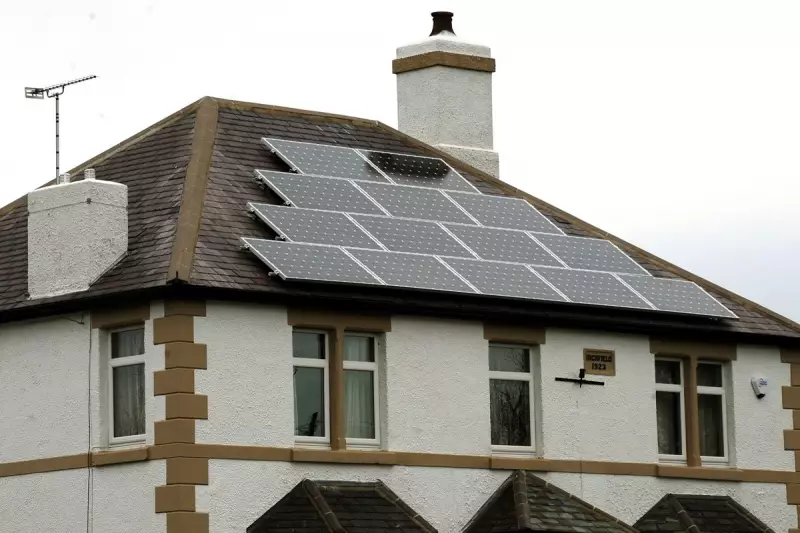
The Government has launched a comprehensive £15 billion "warm homes plan" that will provide homeowners across Britain with access to low and zero-interest loans for installing solar panels, heat pumps and battery storage systems. This flagship energy upgrades scheme represents a significant investment in household energy efficiency and clean technology adoption.
Financial Support for Energy Upgrades
Under the ambitious programme, low-income households and fuel-poor families struggling with energy bills will receive free upgrades for insulation and clean technology, backed by £5 billion of direct public investment. The measures aim to deliver substantial energy savings while reducing carbon emissions and decreasing reliance on fossil fuels.
Energy Secretary Ed Miliband emphasised the importance of the initiative, stating: "It is a scandal that millions of people in our country do not have the security of a home that is warm, affordable and safe. With this investment, we embark on a national project to turn the tide – waging war on fuel poverty and taking another step forward in tackling the affordability crisis for families throughout Britain."

Comprehensive Funding Breakdown
The £15 billion programme includes detailed allocations across multiple areas:
- £5 billion specifically dedicated to low-income household schemes
- £2 billion allocated for consumer loans
- £2.7 billion for the "boiler upgrade scheme" providing heat pump grants
- £2.7 billion in innovative finance through a new "warm homes fund" investment facility
- £1.1 billion for heat networks development
- £1.5 billion for additional funding including devolved administrations
Targets and Implementation
The programme aims to deliver upgrades to up to five million homes across the country, potentially saving families hundreds of pounds annually on their energy bills. Officials project the initiative could lift up to one million households out of fuel poverty by 2030 through comprehensive energy efficiency improvements.
Prime Minister Sir Keir Starmer highlighted the scheme's significance, stating: "A warm home shouldn't be a privilege, it should be a basic guarantee for every family in Britain. Today's plan marks a turning point. It will help to slash energy costs and lift up to a million people out of fuel poverty."
Support for Vulnerable Households
Low-income families will receive direct support through free packages of energy-saving measures tailored to individual properties. These packages may include insulation alongside clean technology such as solar panels and battery storage systems worth thousands of pounds. The plan also includes provisions for upgrading entire streets of social housing to improve energy efficiency at scale.
Simon Francis, coordinator of the End Fuel Poverty Coalition, welcomed the initiative while emphasising implementation priorities: "The lifeblood of the warm homes plan amounts to a rescue mission for the coldest, dampest homes in Britain – and this must be the priority. Combined with long-overdue improvements to conditions in the private rented sector, it could save lives, cut NHS costs and permanently slash energy bills for those in fuel poverty."
Regulatory Changes and Industry Impact
The programme includes significant regulatory updates alongside financial support. New rules within the Future Homes Standard will make solar panel installation standard on new homes, while government-backed loans will facilitate greater adoption of clean technologies including batteries and heat pumps. These measures complement existing £7,500 grants available for replacing traditional boilers with heat pump systems.
A Labour source clarified the government's approach: "We believe in empowering consumers to make choices about what works for them, not banning one technology or another. Demand is growing for clean tech and we want to lean into it by making these products the cheaper choice."

Environmental Campaigner Responses
Environmental organisations have responded positively to the announcement while calling for further action. Rick Parfett, WWF head of climate, commented: "In an unstable world, depending on fossil fuels risks soaring energy bills. That's why today's announcement matters – if fully funded and delivered, this plan will create warmer homes and lower bills for households through insulation and harnessing the UK's abundant clean energy."
Mike Childs, head of policy at Friends of the Earth, offered measured support: "The warm homes plan is a welcome step forward, with tougher standards for rental homes and £5 billion to help councils and social landlords install insulation and clean energy like solar panels. But without more investment it will fall far short of what's needed to protect people's health and end the scandal of families forced to live in cold, damp homes."
Implementation Framework
The programme establishes a new Warm Homes Agency to support energy efficiency upgrades across the country. Local mayors will take leading roles in implementing improvement programmes within their regions, while the government has set an ambitious target to ensure at least 70% of heat pumps installed in the UK are manufactured domestically.
The scheme replaces the long-running Energy Company Obligation (ECO) programme, which concludes in March after facing criticism for leaving thousands of homes with inadequate insulation installations. The comprehensive £15 billion allocation includes specific provisions for devolved governments in Scotland, Wales and Northern Ireland to ensure nationwide implementation.
Campaigners have emphasised that successful delivery will require sustained commitment, with Francis noting: "Above all, any use of public funds must come with a warm homes guarantee, built around quality advice on the right installations to deliver, enhanced consumer protections and a promise that every upgraded home will see bills come down."