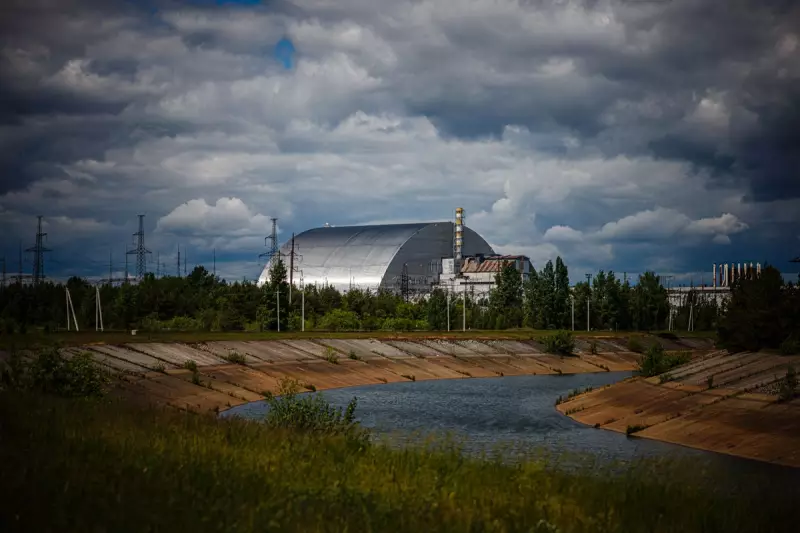
The Chernobyl nuclear power plant in Ukraine has been plunged into a complete loss of external electricity following a major Russian assault on the country's energy network, the United Nations atomic watchdog has confirmed.
Infrastructure Strikes Trigger Safety Crisis
The International Atomic Energy Agency (IAEA) reported that the power cut occurred on Tuesday morning, 20 January 2026, after extensive military activity. Several critical Ukrainian electrical substations, which are vital for maintaining nuclear safety protocols, were damaged in the hostilities. Power lines supplying other nuclear facilities across the nation were also impacted.
"The IAEA is actively following developments in order to assess impact on nuclear safety," stated the agency's director general, Rafael Grossi. This incident coincided with a widespread Russian drone and missile attack on Ukraine early that same Tuesday, which Ukrainian officials said knocked out power and heating for thousands of homes in Kyiv, leaving residents in freezing conditions.

Compromised Shield and Long-Term Risks
The alarming power loss follows a prior warning from the IAEA about the deteriorating state of Chernobyl's protective shield. An inspection in December 2025 found that the structure, damaged by a drone strike in February 2025, had "lost its primary safety functions, including the confinement capability." The shield, constructed in 2016 to prevent radioactive material from escaping into the atmosphere, was pierced by a drone armed with a warhead, though this earlier attack did not cause a radiation leak from the destroyed Reactor Number Four.
While the load-bearing structures and monitoring systems were not permanently damaged and some repairs have been made, Mr Grossi emphasised that the site now requires a "comprehensive restoration" to prevent further degradation and ensure long-term nuclear safety.
Historical Context of the World's Worst Nuclear Disaster
The Chernobyl plant remains the site of the world's most severe civil nuclear accident, which occurred in 1986 when an explosion spewed radiation across Europe, directly killing 31 people. Its last working reactor was shut down in 2000. The latest attacks on Ukraine's energy infrastructure have reignited profound safety concerns for a site that symbolises the enduring dangers of nuclear catastrophe.