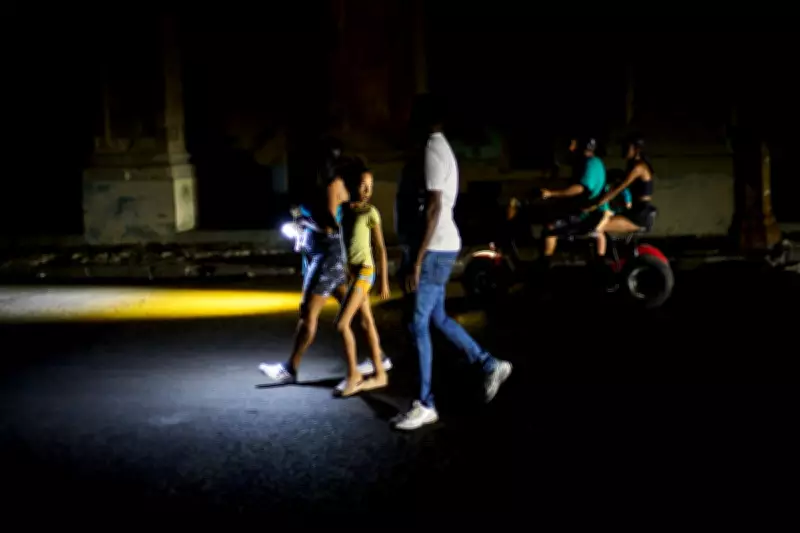
Cuba is grappling with another nationwide electricity blackout, marking the third major power grid collapse this month, as the communist government struggles with deteriorating infrastructure and an ongoing U.S.-imposed oil blockade. The Cuban Electric Union, under the Ministry of Energy and Mines, reported a total blackout across the island on Saturday without initially specifying a cause.
Cause of the Blackout
Authorities later attributed the outage to an unexpected failure of a generating unit at the Nuevitas thermoelectric plant in Camagüey province. According to a report from the Ministry of Energy and Mines, this triggered a cascading effect on other operational machines, leading to the widespread power loss. In response, the ministry activated "micro-islands" of generating units to supply electricity to critical facilities such as hospitals, vital centers, and water systems.
Ongoing Restoration Efforts
Officials are actively working to restore power, but the situation remains challenging. Power outages, whether nationwide or regional, have become increasingly frequent over the past two years due to breakdowns in Cuba's aging infrastructure. These issues are exacerbated by daily blackouts lasting up to 12 hours, caused by severe fuel shortages that further destabilize the electrical system.

Impact on Daily Life
The blackouts have a profound effect on the Cuban population, disrupting daily activities with reduced work hours, lack of electricity for cooking, and food spoilage as refrigerators cease to function. The most recent nationwide blackout occurred just days earlier on Monday, with Saturday's outage being the second in a week and the third in March alone.
Fuel Shortages and Economic Strain
President Miguel Díaz-Canel has highlighted that Cuba has not received oil from foreign suppliers for three months, with the island producing only about 40% of the fuel required to power its economy. This shortage intensifies the grid's vulnerabilities, making it harder to maintain consistent electricity supply.
Political and Economic Factors
The Cuban government has pointed to a U.S. energy blockade as a key factor behind the outages. This follows a warning from U.S. President Donald Trump in January about imposing tariffs on countries that sell or provide oil to Cuba. The Trump administration is demanding that Cuba release political prisoners and move toward political and economic liberalization in exchange for lifting sanctions. Trump has also raised the possibility of a "friendly takeover of Cuba," adding to the geopolitical tensions.
As Cuba's power grid continues to erode, the combination of aging infrastructure, fuel deficits, and external pressures creates a complex crisis with no immediate resolution in sight.