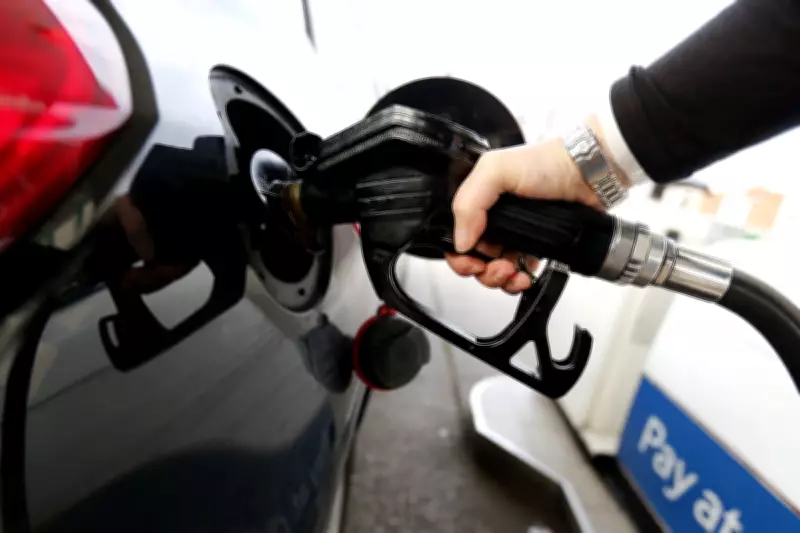
Diesel prices in the United Kingdom have surged to their most expensive level since December 2022, according to new figures released by the RAC. The average price of a litre of diesel at UK forecourts reached 181.2p on Monday, marking a significant increase from 142.4p on February 28, the day the war in the Middle East began. This represents a dramatic 27% rise in just over a month, highlighting the severe impact of the escalating Iran oil crisis on fuel costs.
Petrol Prices Also Climb Sharply
Average petrol prices have not been spared, climbing to 152.0p per litre, a 14% increase from 132.8p over the same period. The price gap between diesel and petrol has now widened to 29.2p, the largest disparity recorded since at least 2003. This growing divide underscores the particular vulnerability of diesel supply chains in the UK, where refineries are more geared towards producing petrol, making diesel more reliant on imports.
Financial Strain on Motorists and Businesses
Simon Williams, head of policy at the RAC, emphasised the financial burden on drivers. "Compared to the start of the Iran conflict, it costs £10.55 more to fill up a typical family car that runs on petrol, and £21.35 more for a comparative diesel car," he stated. "The financial strain on the eight in 10 motorists that tell us they depend on their cars continues to build, and at a particularly rapid rate for those who drive diesel vehicles."

Latest DVLA figures reveal there were 16.2 million diesel vehicles licensed in the UK as of the end of September last year, including the vast majority of light goods vehicles such as vans. Steve Gooding, director of the motoring research charity the RAC Foundation, described diesel as "the lifeblood of millions of small businesses" and warned that "white van man is bleeding cash just to stay on the road."
Broader Economic Impact
Gooding further explained, "Whether you drive or not, soaring diesel prices will take money out of your pocket, either at the pump or in the bills you pay for everything from calling out the plumber to getting a home delivery. If oil prices remain at this level the impact on the forecourt could be felt for weeks, if not months. That's bad news for everyone, not just drivers of the UK's 4.6 million diesel vans, the majority of which will be used for work purposes."
Government Response and Fuel Duty Concerns
Mounting calls are emerging for the Government to abandon the planned increase in fuel duty scheduled for September, in light of the rising pump prices. Chancellor Rachel Reeves announced in her November 2025 budget that the 5p-per-litre cut in fuel duty, introduced by the Conservative government in March 2022, would only be extended until the end of August 2026. Rates are then set to gradually return to March 2022 levels over the next five years.
AA president Edmund King commented, "Government can consider what they do with fuel duty in September but, frankly, that is five months away, and arguably industry needs help now. With higher pump prices, the Government has been gaining more in VAT, so there is some 'free' money in the system that could be used to help drivers out."
Supply Chain Assurance
Despite reports of pumps running dry in some locations, Downing Street has insisted that forecourts are "well-stocked nationally." When asked whether the Government was planning for any shortages, the Prime Minister's spokesman replied, "We'll always plan for all eventualities." He added, "To be very clear, as the PM (Sir Keir Starmer) has said and as the Government have said, and indeed industry have said, fuel production and imports are continuing. The UK benefits from diverse and resilient supply. Petrol stations in the UK are well-stocked nationally and any suggestion otherwise is incorrect."
The crisis stems from Iran's stranglehold on tankers passing through the Strait of Hormuz, which has caused oil prices to soar. As oil prices have a significant effect on the cost of wholesale fuel, this geopolitical tension is directly translating into higher costs at the pump, putting additional pressure on households and businesses across the nation.