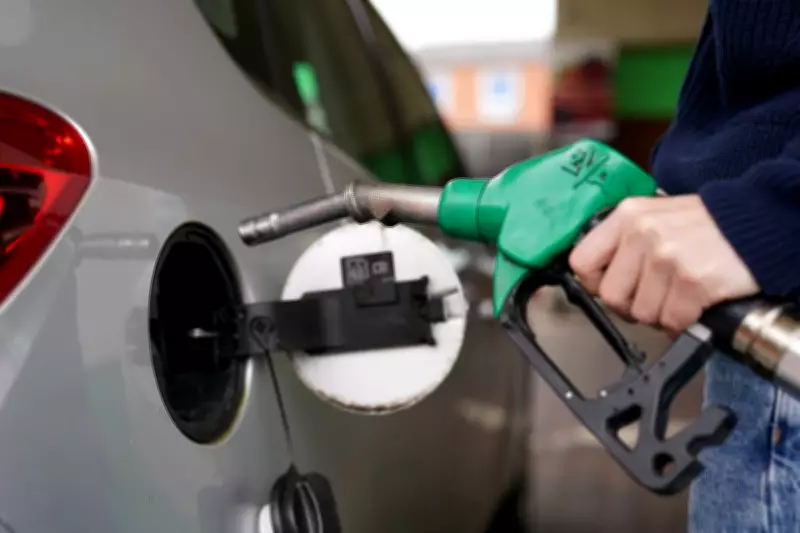
Diesel prices across the United Kingdom have experienced a sharp and significant increase, rising by an average of 18 pence per litre since the onset of the Middle East conflict on 28 February. This surge has propelled diesel costs to 160.3 pence per litre, marking the highest level observed since November 2023. Concurrently, petrol prices have also climbed substantially, increasing by 7% over the same timeframe from 132.8 pence to 141.5 pence per litre, a peak not seen since August 2024.
Global Oil Prices Surpass $100 a Barrel
The escalating conflict in the Middle East has driven global oil prices above $100 a barrel for the first time since 2022. A key factor contributing to this rise is Iran's perceived control over oil tankers navigating the critical Strait of Hormuz, a major chokepoint for global oil shipments. This geopolitical tension has created volatility in international markets, directly impacting fuel costs in the UK and other nations.
UK's Reliance on Diesel Imports
Simon Williams, the head of policy at the RAC, provided insight into why diesel prices in the UK are increasing more rapidly than petrol. He explained that the country's dependence on diesel imports is a primary driver, stemming from fewer domestic refineries being equipped to produce diesel efficiently. This reliance makes the UK market particularly sensitive to global supply disruptions and price fluctuations, exacerbating the current spike.
Government Warns Against Unfair Practices
In response to the rising fuel costs, Chancellor Rachel Reeves and Energy Secretary Ed Miliband convened a meeting with major petrol retailers, including Asda, BP, and Shell. During this discussion, they issued a stern warning against any 'unfair practices' that could exploit consumers during this period of heightened prices. The government emphasised the need for transparency and fairness in pricing to mitigate the financial burden on households and businesses.
The average petrol station fuel price has been revealed as diesel reaches 160.3 pence per litre, highlighting the broader economic implications of the conflict. This situation underscores the interconnectedness of global events and local economies, with fuel costs serving as a critical indicator of market stability and consumer impact.