Electric Blankets: The Surprising Cost-Effective Heating Solution
As winter energy bills continue to dominate household budgeting concerns, finding efficient ways to maintain warmth without breaking the bank has become increasingly crucial. Electric blankets have emerged as a particularly compelling solution, offering targeted heating at remarkably low operational costs. According to comprehensive analysis from energy comparison specialists, these devices represent one of the most economical methods for staying warm during colder months.
Understanding Electric Blanket Running Costs
Energy experts have conducted detailed calculations revealing that electric blankets typically consume between 100-300 watts of power, translating to mere pennies per hour of operation. "Three in ten UK households now utilise heated electric blankets during winter months," explains Ben Gallizzi, energy specialist at Uswitch.com. "The excellent news is these devices cost very little to run, typically around 3p per hour based on current energy pricing structures."
To calculate precise running costs for your specific blanket, first identify its power rating, then multiply this wattage figure by your intended usage hours and your electricity unit rate. For practical illustration, Uswitch provides these examples using January 2026 price cap figures: a 40-watt blanket operating for eight hours daily costs approximately 9p, amounting to roughly £33 annually. Meanwhile, a more powerful 250-watt model running under identical conditions would cost about 56p daily, equating to approximately £202 per year.

Factors Influencing Operational Expenses
Several variables significantly impact electric blanket running costs, with usage duration and temperature settings being particularly influential. "Higher heat settings naturally draw more power," Gallizzi clarifies. "However, strategic usage patterns can optimise efficiency. Pre-warming your bed for thirty minutes on a higher setting before switching to lower overnight temperatures often proves more economical than continuous low-heat operation throughout the night."
Blanket design characteristics also affect energy consumption. Underblankets and mattress protectors typically rated between 200-250 watts cost around 7p hourly, while heated throws averaging 300 watts increase slightly to 8p per hour. Smaller heat pads represent the most economical option, with 25-watt models costing less than 1p hourly. Modern features like automatic temperature adjustment and multiple heating zones can further enhance efficiency by preventing unnecessary energy usage.
Electric Blankets Versus Central Heating Systems
The cost comparison between electric blankets and traditional central heating reveals substantial differences. Using January 2026 gas price caps, operating a 24kW gas boiler costs approximately £1.42 hourly, while electric blanket usage remains in the pence-per-hour range. Phil Steele from Octopus Energy elaborates: "Our research demonstrates that supplementing central heating with electric blankets can reduce typical household electricity bills by 10-20% during winter months, translating to annual savings around £300."
However, experts caution against completely replacing central heating with electric blankets. Laura North, project development manager at National Energy Action, warns: "While electric throws effectively heat individuals, they should complement rather than replace central heating due to potential health implications from cold, damp homes. Maintaining ambient temperatures between 18°C and 21°C remains important for respiratory and cardiovascular health."
Essential Safety Considerations
The London Fire Brigade emphasises crucial safety practices for electric blanket users. Recommendations include avoiding simultaneous use with hot water bottles, regularly inspecting for fabric wear or cord damage, and replacing blankets showing any signs of deterioration. Additionally, experts advise turning blankets off before sleeping and selecting energy-efficient models featuring automatic shut-off mechanisms.

Expert-Recommended Energy Saving Strategies
Steven Donovan, vulnerable customer lead at OVO, suggests combining electric blanket usage with broader energy-saving measures for maximum financial benefit. "Households can achieve savings up to £360 annually through strategic combinations," he notes. Recommended approaches include installing loft insulation, switching to low-energy lighting, reducing boiler flow temperatures, implementing draught-proofing measures, utilising smart thermostats, and employing thermostatic radiator valves for room-specific temperature control.
Tested Model Performance Analysis
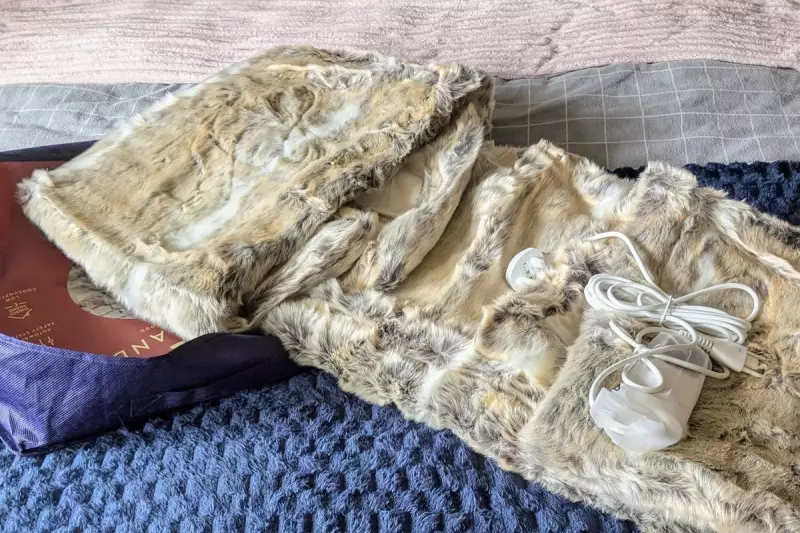
Independent testing of popular electric blanket models provides concrete performance data. The Slumberdown Elegantly Warm Luxury Heated Throw, operating at 70 watts maximum, costs approximately 1.9p hourly. Silentnight's Hotel Collection Double Electric Blanket consumes 65 watts maximum, equating to 1.7p per hour. Meanwhile, the Dreamland Hygge Days Luxury Faux Fur Warming Throw represents a higher-consumption option at 150 watts maximum, costing around 4.1p hourly based on January 2026 pricing.
These tested models typically warm within 5-10 minutes and feature automatic temperature regulation, switching off upon reaching desired warmth and reactivating only when necessary to maintain comfort levels, thereby optimising energy efficiency throughout usage periods.