As winter tightens its grip and energy bills remain a pressing concern for households across the UK, finding effective ways to stay warm without breaking the bank has become a top priority. One increasingly popular solution is the humble electric blanket, which offers targeted warmth at a fraction of the cost of heating an entire home. But just how economical are these devices, and what should consumers consider before making a purchase?
The Running Costs: Pennies Per Hour
According to energy experts, electric blankets represent one of the most cost-effective heating options available. Ben Gallizzi, an energy specialist at Uswitch.com, explains that these devices typically consume between 100 and 300 watts of power. "Based on current energy prices, most electric blankets cost only about 3p per hour to operate," he states. This minimal running cost makes them significantly cheaper than alternatives like central heating systems.
To calculate precise running costs for your specific blanket, you need to check its power rating, usually measured in watts. Multiply this figure by the number of hours you plan to use it, then by your electricity unit rate (found on your energy bill). For example, a 40-watt blanket running for eight hours daily at maximum setting would cost approximately 9p per day under the January 2026 price cap, amounting to roughly £33 annually. At the higher end, a 250-watt model used under the same conditions would cost about 56p daily, or £202 per year.

Factors Influencing Energy Consumption
Several elements affect how much energy an electric blanket consumes. The duration of use and temperature setting are particularly important, according to Gallizzi. "Higher heat settings naturally draw more power," he notes. "However, using a blanket on high for just 30 minutes to pre-warm your bed might prove more economical than running it all night at a lower setting."
Katie Lillywight, small appliances expert at AO, agrees that usage patterns significantly impact costs. "Consider using a timer function if your blanket has one," she advises. "Combining your electric blanket with additional bedding layers can help retain heat, allowing you to use lower settings and further reduce energy consumption."
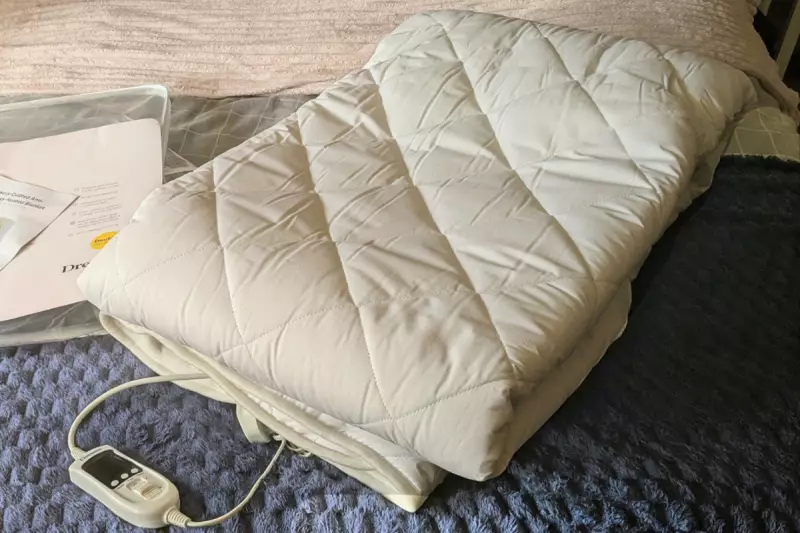
The style of electric blanket also matters. Underblankets, which fit between mattress and sheet, typically consume 200-250 watts and cost about 7p per hour. Mattress protectors and overblankets have similar energy ratings, while heated throws average 300 watts, costing around 8p hourly. Heat pads are the most economical option, with 25-watt models costing less than 1p per hour to run.
Comparison with Central Heating
When contrasted with traditional central heating systems, electric blankets demonstrate remarkable efficiency. Phil Steele from Octopus Energy explains: "Electric blankets can be a brilliant, energy-efficient way to stay warm, particularly for people spending long periods in one place." His company's research indicates that using electric blankets to supplement central heating can save typical households 10-20% on their winter electricity bills, equating to approximately £300 annually.
Using the January 2026 gas price cap figures, someone with a 24kW gas boiler would pay £1.42 per hour to operate it. In stark contrast, heating yourself with an electric blanket costs mere pennies per hour. However, experts caution against completely replacing central heating with electric blankets.
Laura North, project development manager at National Energy Action, warns: "Cold and damp homes can worsen or even cause various health conditions. You should aim to keep your home between 18C and 21C when you're in it." She recommends using electric blankets alongside central heating rather than as a complete substitute, allowing households to reduce heating usage while maintaining adequate ambient temperatures.
Safety Considerations and Best Practices
Safety remains paramount when using electric blankets. The London Fire Brigade advises against using hot water bottles simultaneously with electric blankets and recommends replacing any blanket showing fabric wear or cord damage. Most modern blankets feature automatic temperature adjustment, switching off once reaching desired warmth and reactivating only when needed, which enhances both safety and energy efficiency.

For those who cannot afford regular central heating, North suggests: "The best way of using an electric blanket is to put it under your sheets on the bed and make sure you turn it off before you go to sleep." She also notes that more energy-efficient models will naturally cost less to operate.
Additional Energy-Saving Strategies
Steven Donovan, vulnerable customer lead at OVO, emphasizes that combining electric blankets with other energy-saving measures can yield substantial benefits. "It is the combination of both energy-saving tips and products that help households make the most significant savings of up to £360 per year," he explains.
Recommended strategies include installing loft insulation, switching to low-energy lightbulbs, reducing boiler flow temperature, and draught-proofing windows and doors. Other effective approaches involve using smart thermostats, tracking energy usage through monitoring apps, switching appliances off standby mode, and installing thermostatic radiator valves for room-specific temperature control.
Tested Models and Their Performance
Several electric blanket models have undergone thorough testing to assess their efficiency and comfort levels. The Slumberdown Elegantly Warm Luxury Heated Throw, which uses 70 watts at maximum setting, costs approximately 1.9p per hour to operate under January 2026 price caps. Testers praised its rapid heating capability and non-gadgety appearance.
The Silentnight Hotel Collection Double Electric Blanket consumes a maximum of 65 watts, costing about 1.7p hourly. Reviewers noted its consistent heat distribution and user-friendly controls, making it suitable for everyday use.
At the higher end, the Dreamland Hygge Days Luxury Faux Fur Warming Throw uses 150 watts, costing around 4.1p per hour. Despite higher running costs, testers appreciated its luxurious comfort and effective heat retention properties.
As energy prices continue to challenge household budgets, electric blankets offer a practical solution for targeted warmth. By understanding running costs, implementing energy-saving practices, and selecting appropriate models, UK consumers can stay warm this winter while managing their energy expenditure effectively.