Government Faces Mounting Pressure for Emergency Energy Crisis Response
The British government is being urged to convene an emergency meeting as a dramatic 35% surge in wholesale gas prices sparks fears of an impending "energy bill disaster" for millions of households across the United Kingdom. This alarming price leap follows military strikes on critical energy infrastructure in the Middle East, creating fresh economic turmoil for consumers already grappling with cost-of-living pressures.
Middle East Conflict Triggers Global Energy Market Shock
Wholesale gas prices rocketed after Iran launched ballistic missile attacks on the Ras Laffan Gas facility in Qatar, which stands as the world's largest liquefied natural gas plant. In a swift and provocative response, US President Donald Trump threatened to "massively blow up" Iran's major South Pars gas field if Tehran launches further attacks against Qatari energy assets. This escalation in Middle East tensions has sent shockwaves through global energy markets, with oil prices simultaneously jumping 11% to reach $119 per barrel.
The combined spike in traded costs for both oil and natural gas has significantly heightened concerns about a potential global economic shock that would inevitably impact households and businesses worldwide. This development adds substantial weight to what economists have begun referring to as "Trumpflation" – inflationary pressures exacerbated by geopolitical instability and presidential rhetoric.

Projected £500 Energy Bill Increase Now More Likely
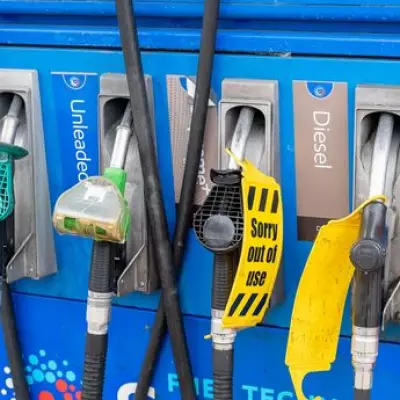
Prior to this latest market turmoil, the Resolution Foundation think tank had already predicted that UK energy bills could increase by approximately £500 later this year. The recent price surge makes this projection considerably more probable, with the rise in oil prices additionally poised to deliver further financial pain at petrol pumps for millions of British motorists.
Liberal Democrat leader Ed Davey issued a stark warning, stating: "The Government is sleepwalking into an energy bill disaster this July. The 25% spike in gas prices this morning should send alarm bells ringing in Number 10. We need an emergency COBRA meeting today, and a plan set out to protect households from an impending £500 bombshell set to devastate family finances."
Price Cap Protection Temporary as July Review Looms
While energy bills for most UK households will actually decrease by around 7% from April 1st due to regulator Ofgem's price cap – which was established before the Iran conflict erupted – attention is now firmly fixed on what will occur when the cap undergoes its next scheduled review in July. This is when the full impact of the wholesale cost increases is expected to be felt by consumers.
Simon Francis, coordinator of the End Fuel Poverty Coalition, emphasized the gravity of the situation: "These gas and oil prices haven't been seen since the winter of 2022/23 when an Energy Price Guarantee was needed to protect households from the worst excesses of our exposure to global markets. The reality is that households will face a 'Trump Tax' on their energy bills as a result of this war and the case for Government action to support households is becoming impossible to ignore."
Inflationary Pressures and Supply Chain Vulnerabilities
The jump in energy and fuel prices is forecast to contribute to higher inflation rates both in the United Kingdom and globally. Thomas Pugh, chief economist at leading tax and consulting firm RSM UK, warned that UK inflation could potentially leap from its current 3% toward 5% as a direct consequence.
"Admittedly, natural gas prices remain well below their 2022 peaks," Pugh noted, "but remember the initial spike in natural gas prices in 2021 was relatively small – it was the subsequent rises in 2022 that truly pushed prices to extreme levels as stocks became increasingly squeezed. The risk is that we witness a similar pattern unfolding this time."

Pugh further highlighted specific vulnerabilities in UK energy supply chains: "UK imports of liquefied natural gas are highly seasonal and would naturally begin to decline from this point as heating demand diminishes. However, if LNG supplies from Qatar – which constitutes approximately 25% of global supply – are not resumed by late summer when imports typically start ramping up again, we could experience an even more substantial price shock."
Geopolitical Chain Reaction and Renewable Energy Debate
The latest energy market turbulence originated with Israeli attacks on Iranian facilities within Iran's section of the South Pars gas field. Iran subsequently retaliated with strikes against Qatar's Ras Laffan complex, creating a dangerous chain reaction of geopolitical escalation with direct consequences for global energy stability.
Liquefied natural gas – which involves cooling gas to ultra-low temperatures for international shipping – represents a crucial component of the United Kingdom's gas imports. Qatar serves as the second-largest source of LNG for the UK market, trailing only behind the United States.
Maja Darlington, climate campaigner for Greenpeace UK, connected the crisis to broader energy policy debates: "The latest spike in gas prices makes Trump's reckless, chaotic war look more and more like that price shock, and it won't be the last one we experience if we remain hooked to fossil fuels. The UK possesses the resources to achieve energy self-sufficiency through renewables. Allowing oil and gas to stay in the energy mix effectively means permitting foreign wars to control our energy bills."
As pressure mounts on the Labour opposition to commit to supporting households facing potential bill shocks, and with growing calls for immediate government intervention, the energy crisis triggered by Middle East conflict represents both an immediate economic threat and a longer-term policy challenge for British energy security and household financial stability.