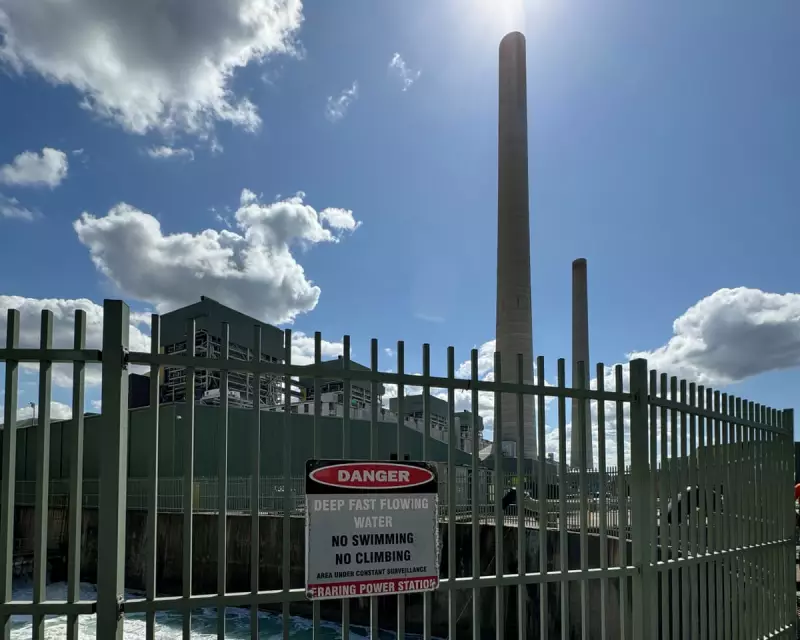
Australia's largest coal-fired power station will remain operational for an additional two years beyond its most recent planned closure date, in a major decision driven by concerns over national energy security.
Grid Stability Concerns Prompt Extension
Origin Energy, the operator of the Eraring plant in Lake Macquarie, New South Wales, has notified authorities that it will keep the facility running until April 2029. This marks a further extension from a prior agreement with the NSW government, which had already pushed the plant's retirement from 2025 to August 2027.
The decision follows a warning from the Australian Energy Market Operator (AEMO). Its recent Transition Plan for System Security highlighted potential "strength deficits across New South Wales" for the 2027-28 period if Eraring closed on the previous schedule.

Government and Operator Justify the Move
NSW Environment Minister Penny Sharpe stated that Origin's choice provides certainty for the market and consumers. She argued it also contributes to the state's 2030 emissions target by allowing a managed transition. "My number one job is keeping the lights on and putting downward pressure on power prices," Sharpe said.
Origin's chief executive, Frank Calabria, explained the extension was necessary due to delays in new energy infrastructure. "Good progress is being made... but it has become clear Eraring power station will need to run for longer to support secure and stable power supply," he told the ASX. He cited uncertainty around the reliability of Australia's ageing coal and gas fleet.
Climate Advocates Label Decision a "Disaster"
The move has drawn fierce criticism from environmental groups and the political opposition. The NSW Greens' environment spokesperson, Abigail Boyd, called it a "disaster for NSW and Australia's climate targets." She claimed that an extra two years of full production at Eraring, generating around 16TWh annually, would push the state significantly further from its legislated emissions goals.
Jeff Angel from the Total Environment Centre acknowledged the complexities of the energy shift but said the decision "increases the urgency to act faster on the green energy future." Meanwhile, the NSW opposition criticised the state government for a "broader failure" to secure social licence for renewable projects, leading to delays.
Origin maintains that the extension does not alter its own 2030 emissions reduction targets or its 2050 net zero commitment. The 2,880MW plant, operational since 1984, currently plays a pivotal role, with black coal stations like it providing about half of the national electricity grid's power.