Electric vehicles can achieve a staggering fuel cost equivalent of over 350 miles per gallon, according to fresh analysis that highlights the ongoing running cost advantage of EVs over petrol cars.
The Staggering Cost Per Mile Advantage
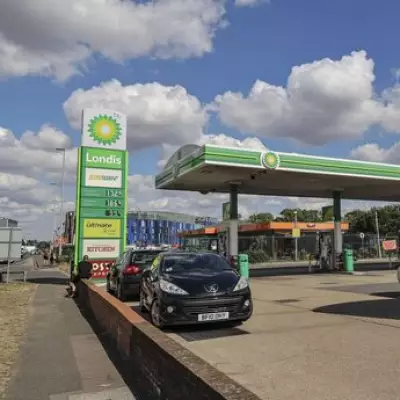
Research conducted by the EV charging firm Ohme has laid bare the true expense of powering a car. With the average price of petrol standing at £1.36 per litre – roughly £6.17 per gallon – a conventional car managing 40 miles per gallon will travel about 40 miles for that sum.
In stark contrast, spending that identical £6.17 on electricity via a cheap overnight energy tariff, such as Intelligent Octopus Go at 7p per kWh, purchases approximately 88kWh of power. For an efficient electric model that achieves four miles per kWh, this translates into an impressive 352 miles of travel.

Savings Persist Even on Standard Tariffs
The financial benefit remains substantial even without a special energy rate. Using the newly increased standard electricity price of 27.69p per kWh, the same efficient EV would attain a cost equivalent of 89 miles per gallon. This still makes it less than half the price to 'fuel' compared to an average 40mpg petrol car.
David Watson, CEO of Ohme, which styles itself as the UK's largest EV charging company, commented on the findings. "The idea of a car doing 350mpg would obviously be fanciful, but that could be the reality when charging your EV on a smart energy tariff at home with Ohme," he said. He emphasised that home charging continues to be the most affordable option for drivers, and adopting a smart tariff can maximise these savings further.
The Public Charging Hurdle
However, the report also underscores a persistent problem for the EV transition: the cost and accessibility of public charging. For owners without access to off-street parking, expenses can be significantly higher.
Fast public charging can cost as much as 89p per kWh, while using a 7kW public charger – comparable to a home unit – may cost up to 65p per kWh. Supermarket chain Tesco offers a notable exception, with a rate of 44p per kWh.
A major factor in this price disparity is VAT, which is levied at 5% for domestic electricity but at the full 20% rate for public charging.
Regulatory Changes on the Horizon
There may be some relief in sight. Recent government initiatives aim to simplify the installation of new public chargers, which could help reduce costs through increased competition and supply.
Furthermore, new regulations are planned to make it easier for residents without driveways to safely run a charging cable across a pavement when they can park near their home, addressing a key barrier to convenient charging.
The analysis, dated Friday 2 January 2026, presents a clear picture: while the upfront cost of EVs remains a consideration, their day-to-day running expenses, particularly for those who can charge at home on a smart tariff, offer a compelling economic argument. The challenge now lies in making this affordability accessible to all drivers, regardless of their housing situation.