Fuel Crisis Forces Gold Mining Firm to Send Two-Thirds of FIFO Workers Home
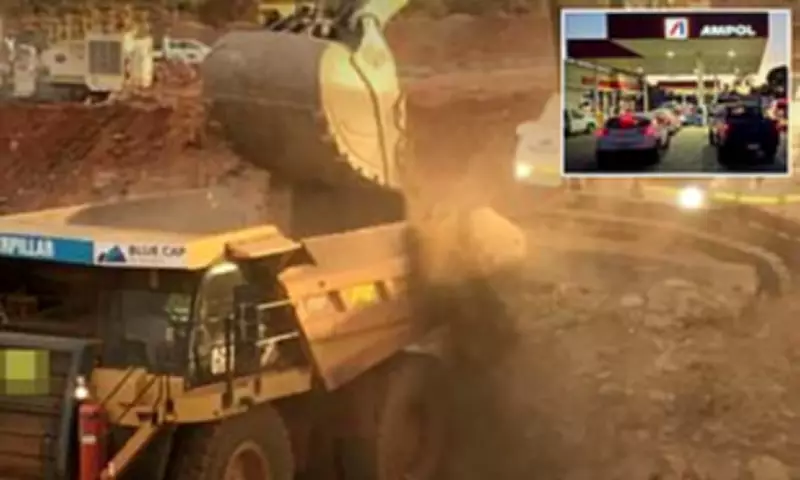
An independent gold mining contractor has been compelled to send two-thirds of its fly-in, fly-out workforce home as ongoing fuel supply issues cripple its operations. Privately owned Blue Cap Mining revealed on Tuesday morning that it cannot run essential machinery due to insufficient diesel supplies.
Operations Halted at Devon Gold Mine
Blue Cap Mining employs approximately 180 fly-in, fly-out workers and had to send between 50 and 60 people home over the weekend. Another 50 to 60 workers will be affected in the coming days, according to Managing Director Ashley Fraser in an interview with ABC Radio Perth.
The contractor operates at the Devon gold mine near Laverton, located about 900 kilometres north-east of Perth. Ore is typically transported nearly 300 kilometres from the pit for processing, but the diesel shortage has brought normal operations to a complete standstill.
Massive Fuel Consumption and Supply Chain Vulnerabilities
Blue Cap's projects across Western Australia consume around 15,000 litres of fuel daily. For context, Australia's entire resources sector uses almost 10 billion litres of diesel annually. A single large haul truck alone can consume a million litres of diesel in just one year.
Concerns about Australia's fuel supply have intensified following the ongoing conflict in the Middle East, where Iran blockaded the Strait of Hormuz. This critical waterway facilitates 20 percent of the world's total crude oil and liquid natural gas shipments.
Small Contractors at a Disadvantage
Smaller contractors like Blue Cap rely on independent suppliers for diesel, placing them far down the 'pecking order' for fuel allocations. This means they are unlikely to access their usual supply, while larger mining operations have been given better assurance of fuel continuity.
'We'll be dialling down our production until we can get some surety around what that fuel supply looks like,' Mr Fraser stated. 'The feedback that we're getting is, don't expect more than 30 to 40 percent of the fuel you normally get once or twice a week.'
Broader Economic Implications
Mr Fraser warned that the industry isn't a 'level playing field' and that impacts could mirror those seen during the Covid pandemic in terms of effects on the wider economy. Opposition Leader Basil Zempilas echoed these concerns, noting that Blue Cap's troubles signal a larger issue.
'Western Australia is the engine room of the nation's economy and that engine runs on diesel,' Zempilas emphasized. 'So any shortages of diesel fuel are going to greatly impact Western Australia and Australia's economy more broadly.'
WA Premier Roger Cook acknowledged the situation as 'very concerning' and committed his government to identifying shortages and ensuring fuel supply 'as a matter of priority'.