Fuel Spending Surges Over 10% Following Iran Conflict Outbreak
Motorists across Britain have dramatically increased their spending on fuel by more than a tenth in the immediate aftermath of the outbreak of war involving Iran, while simultaneously slashing their expenditure on holidays and travel. The conflict in the Middle East has triggered significant volatility in global oil markets, with consumers feeling the direct impact as diesel prices approach the £2 per litre threshold at some locations.
Immediate Spike in Fuel Expenditure
According to detailed figures released by Barclays bank, spending on fuel jumped by a substantial 10.9 per cent in the week following the commencement of the US-Israel military action against Iran on February 28. This surge was driven by widespread concerns over both supply security and escalating prices, as the cost of crude oil soared above $100 per barrel. The RAC has reported that the average price of unleaded petrol has now risen above 150p per litre for the first time in nearly two years, marking a sharp increase of 17p since the conflict began.
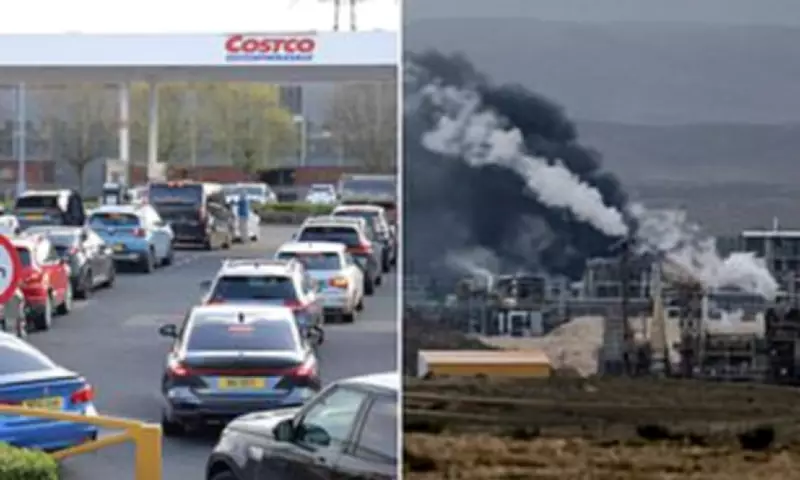
Although Barclays noted that fuel spending quickly returned to more typical levels after this initial spike, there are clear indications that motorists are once again adopting a precautionary approach, seeking to fill their tanks whenever possible. This behaviour has led to visible queues forming at petrol stations across the country, including notable scenes at a Costco branch in Gateshead, where drivers scrambled to secure fuel before anticipated further price hikes.

Holiday and Travel Spending Plummets
In stark contrast to the fuel expenditure spike, spending on holidays and travel experienced a significant decline of 7.9 per cent during the week beginning March 14. Barclays analysts attribute this drop to consumers adopting a cautious 'wait and see' approach amidst the geopolitical uncertainty. More than half of this decrease, specifically 54 per cent, resulted from consumers pausing or postponing holiday bookings, while the remainder was due to refunds for travel plans cancelled because of disruption directly linked to the war.
Interestingly, other areas of discretionary spending, such as dining out and entertainment, have remained relatively resilient so far. Vim Maru, the chief executive of Barclays UK, commented on the broader financial caution, stating, 'The conflict in the Middle East and concerns about rising costs are understandably leading people to be more cautious, even as many continue with their day-to-day spending.' He advised individuals feeling uncertain about their finances to be proactive, seek advice, and utilise available money management tools.
Supply Challenges and Station Closures
The conflict has introduced tangible supply chain complications, particularly since Iran's closure of the Strait of Hormuz, a critical maritime chokepoint through which approximately 20 per cent of the world's oil supply transits annually. This action has contributed to short-term supply issues in various regions across Britain.
Some independent petrol station owners have responded to the crisis by choosing to close their businesses entirely rather than impose what they consider excessively high prices on their customers, with reports of diesel nearing £2 per litre. Allan Leighton, the chairman of Asda, acknowledged experiencing 'temporary shortages' at some of the supermarket's pumps, although he emphasised these issues were not nationwide. Conversely, Fuel Industry UK, representing the broader fuel sector, has maintained that the supply of both petrol and diesel remains 'stable'.
Forecourt operators have faced accusations of 'profiteering' from the crisis—allegations the industry firmly denies—and have reported facing abuse from frustrated customers. Smaller forecourts, often the first to feel the impact of rapid wholesale price increases, are particularly vulnerable, with many opting to shut down temporarily to avoid passing on what they describe as 'astronomical' cost rises to motorists.

Broader Economic Ripple Effects
The economic repercussions of the conflict extend far beyond the forecourt. Fertilizer costs are also climbing steeply due to significant supply chain disruption, a development that experts warn could subsequently push up global food prices and disrupt distribution networks. A substantial portion of the world's fertilizer exports, nearly one-third, typically passes through the now-closed Strait of Hormuz.
Even nations that produce their own fertilizer stocks outside the Middle East are encountering difficulties, as the production process requires natural gas—a commodity experiencing similar price hikes to oil, given the region's role as a production hub. Production facilities in countries including Slovakia, India, and Algeria have been forced to reduce or halt output due to the soaring cost of natural gas.
The geopolitical situation showed no signs of easing over the weekend, with Houthi rebels in Yemen entering the conflict by launching a ballistic missile strike towards Israel. This escalation has raised fresh concerns that fuel and other commodity prices could spike even further, especially if Houthi attacks on shipping in the Red Sea resume, adding another layer of risk to already strained global supply chains.