Gas Tax Suspension Debate: Do the Numbers Add Up Amid High Fuel Prices?
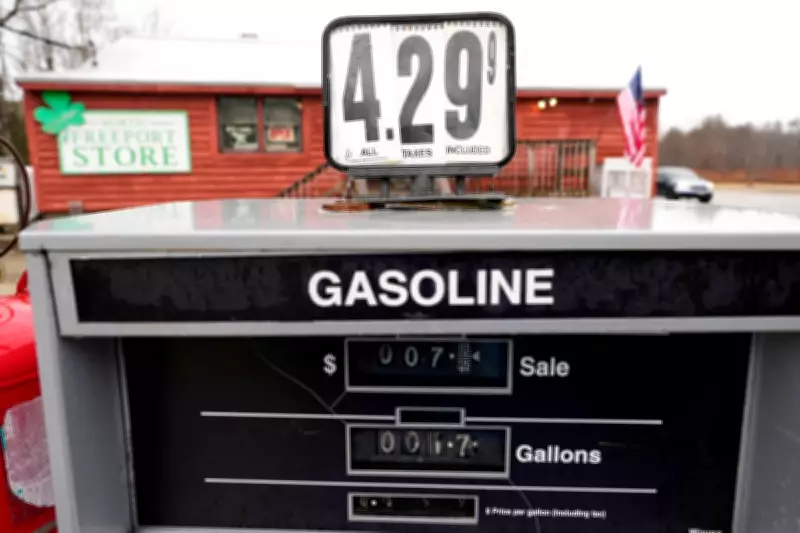
With the national average price for a gallon of gasoline exceeding $4, federal and state officials are exploring temporary reductions in motor fuel taxes to alleviate the financial strain on motorists. The conflict in Iran has driven fuel costs higher, prompting discussions about tax relief. However, only Georgia and Utah have implemented partial or full suspensions of their gas taxes so far, while other states weigh similar measures. Policymakers face multiple hurdles, including worries about government finances, questions about the efficacy of such actions, and unpredictability regarding the war's duration. Here is a detailed numerical analysis of the ongoing debate.
Two States, Different Approaches
Georgia and Utah have taken distinct paths in suspending gas taxes this year. Georgia enacted a 60-day suspension of its 33-cent-per-gallon tax after Republican Governor Brian Kemp signed it into law on March 20, marking the first state action since the war began. In contrast, Utah's Republican Governor Spencer Cox approved a law that temporarily reduces the state's 38-cent-per-gallon fuel tax by 6 cents, but this six-month reduction will not commence until July 1.
Profit Margins and Price Volatility
Retail gas stations have historically charged consumers an average of 38 cents per gallon above wholesale prices over the past five years, according to Jeff Lenard, a spokesperson for the National Association of Convenience Stores. After expenses, their profits often fall below half of that amount. Additionally, the daily price of a barrel of oil has fluctuated significantly during the Iran war, sometimes equating to around 40 cents per gallon. These figures underscore the complexity of gas pricing; when a gas tax is suspended, motorists may not experience a corresponding drop in retail prices. This uncertainty has made Republican Florida Governor Ron DeSantis cautious about repeating a gas tax suspension he authorized during a price surge in 2022. DeSantis remarked in March, "Our ability to influence the fuel prices are really marginal at best," adding, "I don't think the consumer really felt relief."

High Taxes and Revenue Concerns
California imposes the nation's highest gas tax at 61 cents per gallon, supplemented by additional fees, contributing to its record-high average gas price of $5.89 per gallon as of Wednesday, according to AAA. Both Democratic and Republican gubernatorial candidates have advocated for suspending this tax, but the proposal has stalled in the Democratic-led Legislature due to concerns about compensating for lost revenue. In Maryland, Republican efforts to enact a 30-day gas tax suspension were rejected by the Democratic-led General Assembly. A spokesperson for Democratic Governor Wes Moore warned that a one-month suspension could create a $100 million deficit in the state's transportation budget, even as officials were already cutting spending and reallocating funds to address a projected overall budget shortfall. Ammar Moussa, Moore's spokesperson, emphasized, "The best way to bring prices down is to address the source of the pain," suggesting that ending the war is a more effective solution. Since the conflict began on February 28, former President Trump has frequently stated it could conclude soon while also threatening to escalate it.

Funding Challenges and Transportation Projects
The ability of states to offset lost fuel tax revenue is a critical issue. Georgia is utilizing its surplus funds, while in Connecticut, Democratic state Senate leaders have proposed that Governor Ned Lamont tap into approximately $330 million remaining in an emergency fund designed to respond to federal government actions. This fund could help support a proposed one-month suspension of the state's 25-cent-per-gallon gas tax. Senate President Pro Tem Martin Looney and Majority Leader Bob Duff stated, "The fund was created precisely for situations like this: when federal actions create hardship for Connecticut families." A spokesman for Governor Lamont indicated willingness to collaborate on "a smart and strategic pause to the state's gas tax." Gas taxes typically fund road and bridge construction, expansion, and repairs. Without alternative funding sources, suspending these taxes reduces money for transportation projects, including those already budgeted. In South Carolina, the state gas tax generates about $800 million annually, supporting nearly $7 billion in projects ranging from safety enhancements on two-lane roads to major interstate interchange overhauls. Republican Governor Henry McMaster expressed concern that cutting tax revenue would delay and increase costs for significant projects, dismissing gas tax suspensions as a "sort of knee-jerk reaction." He added, "We'd like them all to be lower and lower, but that's one we should not take any money out of."
Associated Press writers Jeffrey Collins, Susan Haigh, and Brian Witte contributed to this report.