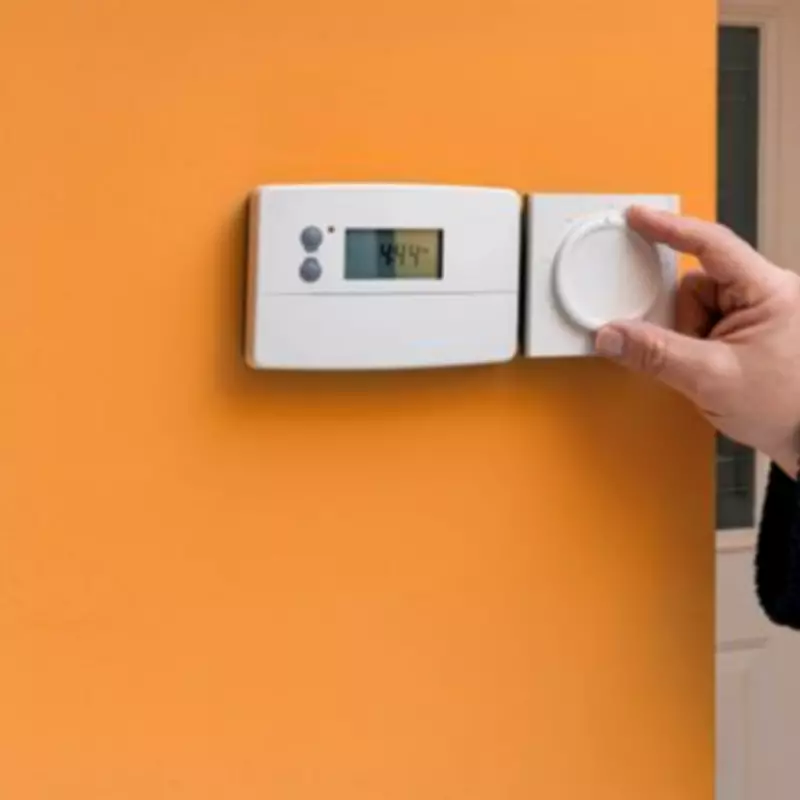
A heating expert has pinpointed a crucial date for households across the UK to switch off their thermostats this spring, offering a significant opportunity to slash energy bills by up to £300 annually. With the energy price cap set to rise in April, many are seeking effective strategies to reduce heating costs without compromising comfort during the lingering chill of early spring.
The Optimal Spring Cut-Off Date
Alex Morrisey, a heating and roofing specialist at Best Roofers, recommends March 20 as a sensible target date for turning off central heating systems this year. However, he emphasises an important caveat: this date depends on consistent daytime temperatures reaching around 12°C. Morrisey explains that while days grow sunnier by mid-March, overnight temperatures can still drop considerably, making timing essential to avoid discomfort or unnecessary boiler use.
Why Consistency Matters
Morrisey stresses that consistency in temperature monitoring is key to maximising savings. He advises against making an early switch based on a single sunny afternoon, as this can lead to the boiler kicking back in during colder evenings. Instead, households should track temperatures across several days, waiting until they consistently sit at 12°C before turning off the heating. For most homes, this moment aligns with late March, coinciding with the clocks springing forward and brighter evenings.

Substantial Financial Benefits
The financial incentives for getting the timing right are compelling. Heating typically accounts for over 50% of a household's annual energy consumption, making it the largest controllable factor in reducing bills. Morrisey highlights that turning off heating just 10 days earlier than usual can cut monthly spring energy bills by 10 to 15%. Over a year, this translates to potential savings of £100 to £300, depending on property size and energy tariffs.
"People underestimate how much those extra days of unnecessary heating add up," Morrisey said. "If you're running your boiler out of habit rather than actual need, you're paying for warmth your home doesn't require. Small timing adjustments can make a big difference to your annual bills."
Practical Tips for Households
To implement this strategy effectively, Morrisey offers a simple rule of thumb: wait until daytime temperatures are consistently around 12°C before switching off the boiler, and remain prepared to turn it back on for particularly cold evenings. This approach helps prevent issues like frozen pipes, boiler breakdowns, condensation, and mould, which are common in UK households during freezing temperatures.
By holding off until heating is genuinely unnecessary, rather than acting prematurely, households can start accruing genuine savings on energy bills. This proactive measure not only eases financial pressure amid rising energy costs but also promotes more efficient energy use throughout the year.