Iran Escalates Gulf Energy Attacks Following Israeli Strike on Gas Field
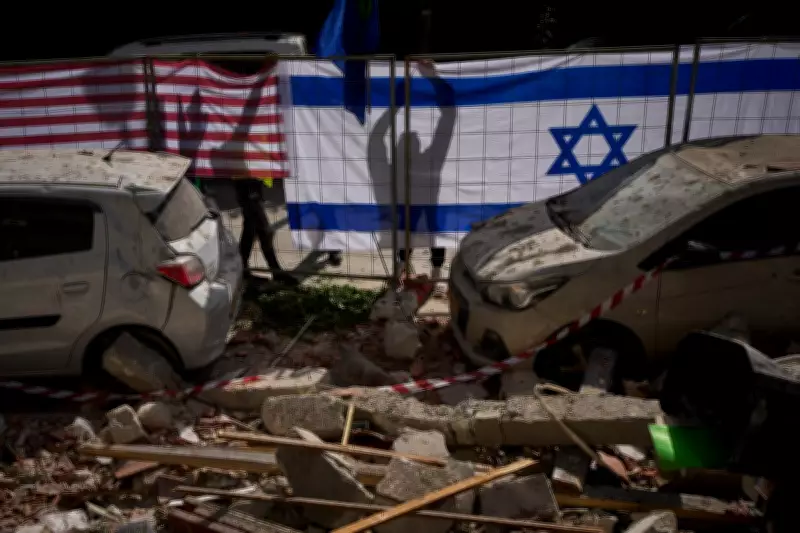
Iran has dramatically intensified its missile attacks on the energy infrastructure of its Gulf Arab neighbours, setting Qatari liquefied natural gas facilities ablaze and targeting ships in a major escalation of the Middle East conflict. This aggressive retaliation comes directly after an Israeli strike on Iran's primary natural gas field, South Pars, which threatens the country's electricity supply and civilian energy needs.
Global Fuel Prices Soar Amidst Infrastructure Attacks
The conflict has sent global fuel prices skyrocketing, with Brent crude oil trading above $110 per barrel in morning trading, representing an increase of more than 50% since the war began on February 28th. The attacks underscore the severe disruption to energy markets and the strategic importance of Gulf energy exports.
Qatar, a crucial global supplier of natural gas, reported that firefighters extinguished a significant blaze at a major LNG facility following Iranian missile strikes. Production had already been halted due to earlier attacks, but the latest wave caused what authorities described as "sizeable fires and extensive further damage." This damage could delay Qatar's ability to restore supplies to international markets even after hostilities cease.

Widespread Condemnation and Regional Shutdowns
Authorities in Abu Dhabi were forced to shut down operations at the Habshan gas facility and Bab field, labelling the overnight Iranian attacks a "dangerous escalation" of the war. Missile alert sirens sounded across multiple Gulf regions as Israel warned of incoming Iranian fire.
Qatar, Saudi Arabia, and the United Arab Emirates all strongly denounced the Iranian assaults. Saudi Arabia's top diplomat stated that attacks on the kingdom meant "what little trust there was before has completely been shattered." The diplomatic fallout highlights the deepening regional tensions.
Strategic Targeting of the South Pars Gas Field
The Iranian retaliation followed an Israeli strike on South Pars, the world's largest gas field located offshore in the Persian Gulf and jointly owned by Iran and Qatar. According to the Paris-based International Energy Agency, approximately 80% of Iran's power generation relies on natural gas, making this attack a direct threat to the country's electricity grid and household energy supplies.
The New York-based Soufan Center described the targeting of the gas field as a "clear expansion of the conflict," noting that Israel's strategy appears designed to inflict additional pressure on the Iranian regime by making civilian living conditions intolerable. Iranian President Masoud Pezeshkian condemned the strike, warning of "uncontrollable consequences that could engulf the entire world."
Maritime Disruption in the Strait of Hormuz
The conflict has severely disrupted shipping in the strategically vital Strait of Hormuz, through which a fifth of the world's oil normally transits. Early Thursday, a ship was set ablaze off the coast of the United Arab Emirates near Khor Fakkan, close to the strait's mouth. Another vessel was damaged off Qatar's coast.
The British military's United Kingdom Maritime Trade Operations centre reported that it remained unclear whether these ships were deliberately targeted or struck by falling debris from missile interceptions. More than twenty vessels have been attacked during the war as Tehran maintains a tight grip on shipping traffic, insisting the waterway remains open only to non-US allies.
International Reactions and Warning from Washington
In Washington, President Donald Trump stated that Israel would not attack South Pars again but issued a stark warning on social media. He declared that if Iran continued striking Qatar's energy infrastructure, the United States would retaliate and "massively blow up the entirety" of the gas field. Trump expressed reluctance to authorise such destruction due to long-term implications for Iran's future.

Mounting Human Cost of the Conflict
The war has exacted a heavy human toll during its third week. More than 1,300 people have been killed in Iran, while Israeli strikes have displaced over one million Lebanese citizens, approximately 20% of Lebanon's population. The Lebanese government reports 968 fatalities within its borders.
In Israel, fourteen people have been killed by Iranian missile fire, and at least thirteen United States military personnel have lost their lives. The escalating violence underscores the regional and international dimensions of this devastating conflict.