Iranian Assault on Iraqi Oil Tankers Ignites Global Energy Alarm
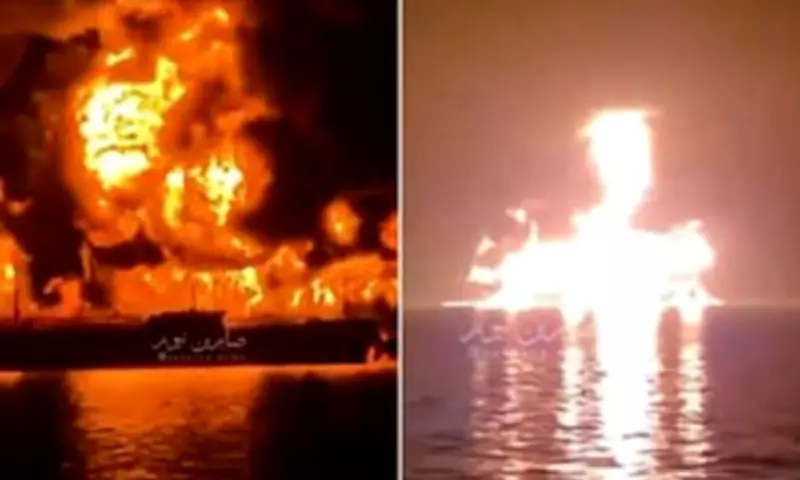
Dramatic footage has emerged showing the moment Iraqi oil tankers erupted into flames after being struck by explosive-laden Iranian boats. The attack, which occurred on Wednesday, represents a significant escalation in Iran's campaign to restrict global oil supplies through the strategic Strait of Hormuz.
Catastrophic Attack in Iraqi Waters
The Iranian strike targeted several vessels carrying Iraqi oil supplies within Iraqi territorial waters. Video evidence reveals a massive orange flash in the water, followed by rapidly spreading flames that engulfed the ships. The inferno illuminated the night sky with red light as black smoke billowed hundreds of feet into the air.
Farhan al-Fartousi, Iraq's director general of the General Company for Ports, confirmed that "two foreign tankers carrying Iraqi fuel oil were subjected to unidentified attacks inside territorial waters, causing them to catch fire." The assault resulted in one crew member killed and prompted Iraqi authorities to rush to the scene for evacuation efforts.

Global Oil Markets in Peril
In the wake of the attack, Iranian military spokesperson Ebrahim Zolfaqari issued a stark warning to the United States and its allies: "Get ready for oil to be $200 a barrel, because the oil price depends on regional security which you have destabilised." This threat comes as Iran has effectively blocked access to the Strait of Hormuz, a critical chokepoint that normally handles approximately 20 percent of global oil shipments daily.
The Middle Eastern country further declared it would not allow "one litre of oil" to be shipped from the region if US and Israeli attacks continue. This aggressive posture has already driven oil prices to nearly $120 per barrel earlier in the conflict before settling at $87 at the time of reporting.
Multiple Vessels Targeted Across Region
The attack on Iraqi tankers represents just one component of a broader assault on commercial shipping. Additional incidents include:
- The Thailand-flagged bulk carrier Mayuree Naree struck by an unknown projectile 11 nautical miles north of Oman, resulting in a fire onboard and three missing crew members
- The Japan-flagged container ship One Majesty sustaining minor damage from a projectile 25 nautical miles northwest of Ras Al Khaimah in the United Arab Emirates
- The Marshall Islands-flagged Star Gwyneth hit approximately 50 miles northwest of Dubai, with its hull damaged but crew safe
Iran confirmed responsibility for these attacks, stating: "The American aggressors and their partners have no right to pass."
Industry Leaders Warn of Economic Catastrophe
Amin Nasser, CEO of Saudi Arabia's Aramco—the world's largest oil exporter—warned of "catastrophic consequences" for global oil markets if Middle East disruptions continue. "While we have faced disruptions in the past, this one by far is the biggest crisis the region's oil and gas industry has faced," Nasser stated.
The executive admitted that while Aramco is currently meeting most customer demands, this is only possible by tapping into storage facilities outside the Gulf region—a solution that cannot be sustained indefinitely. "There would be catastrophic consequences for the world's oil markets, and the longer the disruption goes on … the more drastic the consequences for the global economy," Nasser emphasized.
Military Escalation and Regional Tensions
The attacks followed significant military action by American forces, which destroyed 16 Iranian minelaying vessels near the Strait of Hormuz on Tuesday. The US Central Command announced: "US forces eliminated multiple Iranian naval vessels, including 16 minelayers near the Strait of Hormuz," releasing video evidence of the strikes.
This action came after the White House warned Iran would be hit "at a level never seen before" if they placed mines in the critical waterway. The Strait of Hormuz remains the only sea passage between the Persian Gulf and the Gulf of Oman, making it essential for global energy transportation.

In response to the attacks, Iraqi officials announced that all oil ports have "completely stopped operations," though commercial ports continue functioning normally. The situation represents Iran's latest attempt to leverage global fuel price increases by choking oil supplies and influencing international opinion through economic pressure.