Iranian Retaliation Targets Qatar's Critical Energy Hub
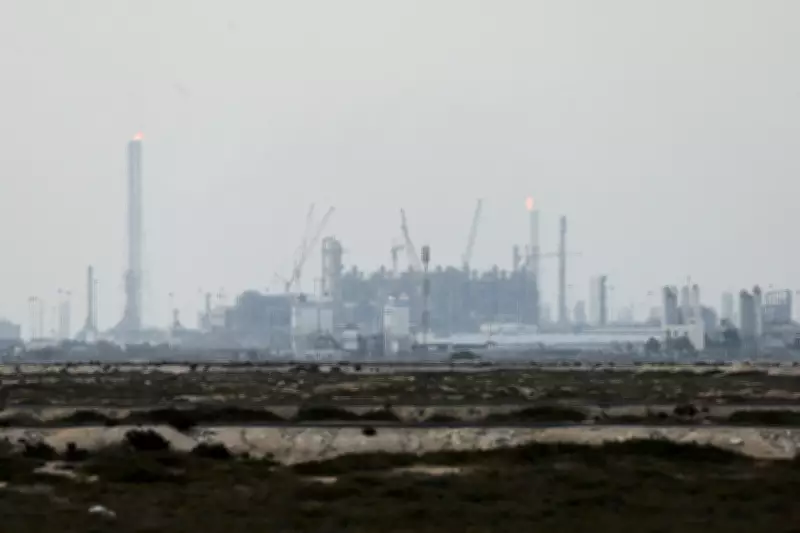
In a significant escalation of hostilities in the Middle East, Qatar's massive Ras Laffan liquefied natural gas (LNG) facility was struck by Iranian revenge strikes on Wednesday, March 18, 2026. The attack directly targeted energy infrastructure, intensifying regional tensions and threatening global energy supplies.
Ballistic Missile Assault on Key Industrial City
Qatari authorities confirmed that they successfully intercepted four out of five ballistic missiles launched from Iran. However, the fifth missile penetrated defences and hit the Ras Laffan Industrial City, causing what officials described as "extensive damage" to the critical facility. This industrial hub serves as the core processing location for QatarEnergy's LNG operations, making it a strategic target in the conflict.
The assault followed Iran's explicit threat to attack Gulf energy facilities after its own South Pars natural gas field was struck earlier on Wednesday. Reports indicate that Israel was responsible for the initial attack on South Pars, prompting Tehran's retaliatory measures. QatarEnergy had already taken precautionary steps by halting production at Ras Laffan and evacuating personnel from the LNG installations prior to the missile strike.

Warnings of Broader Regional Targeting
Iran had issued warnings that multiple energy facilities across Saudi Arabia, the United Arab Emirates, and Qatar would be targeted "in the coming hours" following the South Pars incident. This announcement prompted emergency responses across the Gulf region as nations braced for potential attacks on their critical infrastructure.
Ras Laffan represents one of the world's most significant energy-industry hubs, where the majority of Qatar's LNG processing occurs. The facility's importance to global energy markets cannot be overstated, with Qatar being among the world's leading exporters of liquefied natural gas. The damage to this critical infrastructure raises immediate concerns about energy supply disruptions and potential economic repercussions worldwide.
Escalating Conflict Dynamics
The exchange of attacks on energy facilities marks a dangerous new phase in the Middle East conflict, with both sides demonstrating willingness to target economically vital infrastructure. The situation continues to develop rapidly, with regional powers and international observers closely monitoring the potential for further escalation.
As damage assessments continue at Ras Laffan, questions remain about the long-term impact on Qatar's energy production capabilities and the broader implications for regional stability. The incident underscores the vulnerability of critical energy infrastructure in conflict zones and highlights the interconnected nature of global energy security.