The financial impact of the Iran conflict on British motorists has reached a staggering milestone, with analysis showing drivers have shelled out an extra £1 billion at fuel pumps since the crisis began. This eye-watering sum was hit today, following a surge in forecourt prices that has left households and businesses reeling.
Price Surges and Easter Getaway Pressures
As millions of motorists took to the roads for the Easter getaway, pump prices climbed sharply, pushing the total extra cost past £920 million last night and breaching the £1 billion mark by this evening. Diesel prices have been particularly hard-hit, with average rates rising dangerously close to the record £2 per litre seen in 2022 during Russia's invasion of Ukraine.
Specifically, average diesel prices yesterday reached 190.62p per litre, just under 9p short of the 199.09p record. This represents a 34 per cent increase from 142.38p on February 28, when the conflict erupted. Petrol prices have also jumped, rising to 157.71p per litre, up 19 per cent from 132.83p over the same period.

Ceasefire Brings Hope for Relief
In a potential ray of hope for hard-pressed drivers, global oil prices have plunged by 13 per cent, dropping below $100 a barrel to $94.80 following a temporary ceasefire agreement between the US and Iran. Experts suggest that if this ceasefire holds and the Strait of Hormuz remains open, pump prices could tumble by around 8p per litre within weeks, saving drivers roughly £4.50 per fill-up.
Edmund King, president of the AA, expressed optimism, stating that cheaper fill-ups may not be far off. He emphasised the need for extended support for consumers after the recent price hikes and called for delays to planned fuel duty increases to ease household budget pressures.
Political Calls to Delay Fuel Duty Hike
Despite the potential for price drops, Chancellor Rachel Reeves is facing fresh calls to delay her planned 5p per litre fuel duty hike, set to take effect on September 1. The RAC Foundation analysis reveals that the crisis has netted the Treasury an almost £170 million windfall in little over a month from extra VAT receipts on higher pump prices.
Critics argue that this windfall should be used to postpone the duty hike, which would add another £3 to the cost of a fill-up. However, Reeves and Prime Minister Sir Keir Starmer have vowed to press ahead with the increase, despite mounting pressure to follow other countries in cutting petrol taxes to assist drivers during the crisis.
Industry and Opposition Reactions
Steve Gooding, director of the RAC Foundation, highlighted that drivers continue to pay a significant 'war premium' at the pumps, with the Exchequer benefiting from unexpected VAT gains. He noted that even if oil prices drop, they have a long way to go to reach pre-conflict levels of around $70 a barrel, meaning financial pain at forecourts is likely to persist for weeks.
Gordon Balmer, boss of the Petrol Retailers Association, welcomed falling oil prices but cautioned that the market remains volatile due to the temporary nature of the ceasefire. Meanwhile, Tory shadow transport secretary Richard Holden criticised Labour's fuel duty hike, calling it ill-timed for families already struggling with tax increases and energy costs.
Supply Chain Disruptions and Future Outlook
The conflict has severely disrupted oil supplies, with commercial ship crossings through the Strait of Hormuz plunging by around 95 per cent since it began. This strangulation of Western oil supplies has driven up prices as availability dried up. However, changes in oil prices typically take several weeks to filter through to pump prices, meaning any drops will not be immediate for drivers.
The temporary ceasefire includes Tehran's promise to end its blockade of the Strait, allowing oil deliveries to resume while peace deal details are negotiated. If a permanent agreement is reached, there are hopes that oil prices will plunge further as supply ramps up, leading to significant reductions in pump prices.

Analysis of Driver Costs
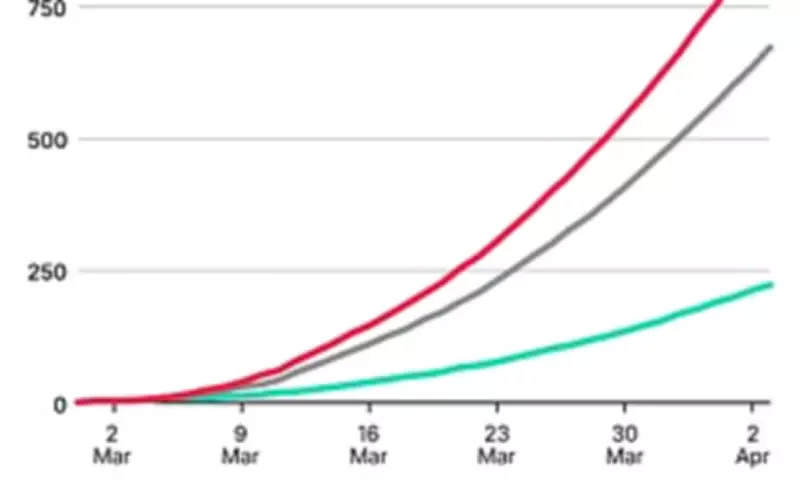
The RAC Foundation's analysis examined daily consumption data and price fluctuations between February 28 and yesterday, comparing what drivers would have paid if prices had remained stable versus the higher rates they actually faced. Diesel drivers have borne the brunt of the increases, spending £676 million more at the pumps due to higher prices since the conflict started.
Filling the average 55-litre tank in a family car has already become nearly £14 more expensive for petrol and almost £27 for diesel since February 28. As the situation evolves, drivers and policymakers alike are watching closely for signs of sustained relief at the forecourts.