Fishermen in the Croatian tourist hotspot of Dubrovnik are being forced to hang up their nets as the war in Iran drives fuel costs to unsustainable levels, making their jobs 'completely unprofitable'. The industry, which employs thousands and supplies fresh seafood to the region's bustling tourist sector, is facing an existential crisis.
Fuel Costs Soar
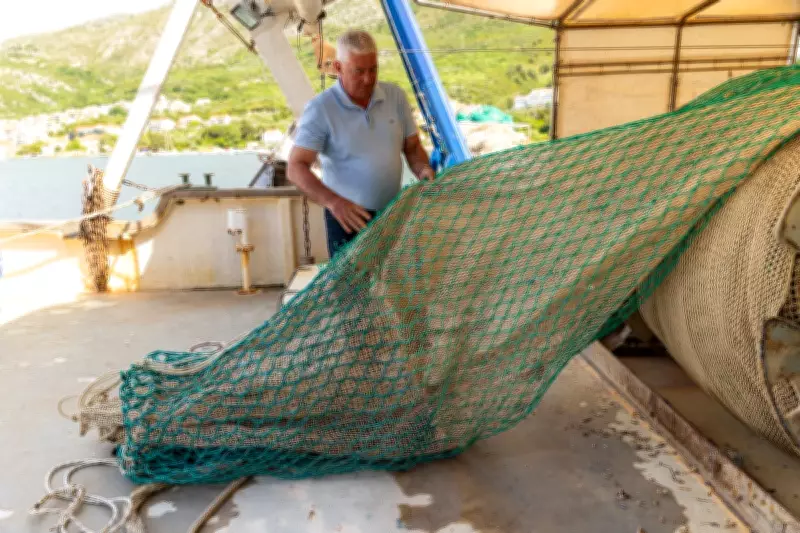
Dinko Cvjetojevic, a fishing captain, stood on his boat moored despite clear skies and abundant catches. Soaring fuel costs have rendered his work unprofitable, with energy now consuming up to 90 per cent of his operating costs, double the proportion before the conflict disrupted the vital Strait of Hormuz oil export route.
'As you can see today, it's a beautiful day, but the ships are moored,' Mr Cvjetojevic told Reuters. While he managed to stockpile some fuel, allowing one vessel to continue operating, the future looks bleak. 'I'm constantly trying to stay alive. If it stays like this, then one more month we can work and then after that we can go swimming,' he explained.

Threat to Tourism Economy
This crisis threatens a small but crucial sector along Croatia's Adriatic coast. Tourism, Croatia's main economic engine, accounts for about one-fifth of gross domestic product when related activities are included. A large part of the economy is exposed if fuel prices remain high through the summer.
Cvjetojevic said his boats typically supply markets from Dubrovnik to Istria, with part of the catch exported to Italy and Slovenia. But he has now scaled down his operation and is only selling locally. 'Without state help, I see no solution,' he said.
Government Measures
Prices in Croatia of so-called blue diesel, fuel used solely by farmers and fishermen, have increased by around 70 per cent in a month, from 0.80 euros per litre on March 8 to 1.36 euros per litre on April 7, according to official data. Croatia's government has temporarily capped the price rise, but this did not fully avert the blow. Other countries in the region have been similarly affected despite introducing state subsidies or price limits.
Vedran Spehar, a senior official in Croatia's Ministry of Economy, said this week that prices of blue diesel would have reached at least 2 euros per litre had it not been for government action, which also ensured there were no shortages.
A European Union member state since 2013, Croatia adopted the euro currency in 2023, a transition that coincided with price increases across many sectors. Previously, the economic fallout from the war in Ukraine had pushed up energy and food prices even before the start of the Iran war.