The Labour government has officially launched its ambitious 'Warm Homes Plan', a comprehensive green energy initiative designed to help millions of households across the UK access sustainable technology and significantly reduce their energy costs. Backed by a substantial £15 billion in public investment, the scheme represents one of the most significant domestic energy policies in recent years.
Financial Support for Homeowners and Renters
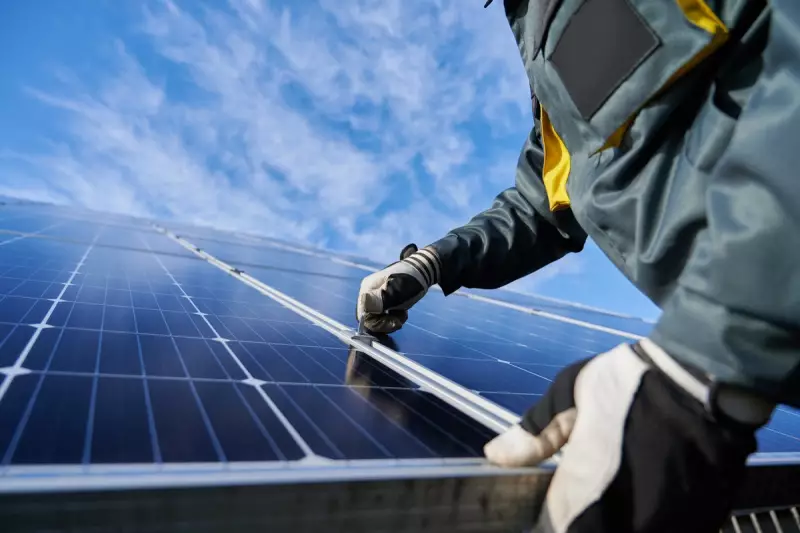
Under the new plan, homeowners will gain access to low-interest and zero-interest loans specifically for installing key green technologies. These include solar panels, modern heat pumps, and energy storage batteries. The financial support is structured to make these upgrades more affordable and accessible, removing one of the primary barriers to household adoption of renewable energy solutions.
Special Provisions for Vulnerable Households
A dedicated £5 billion portion of the total investment has been allocated to assist low-income families and those classified as fuel-poor. These households will qualify for completely free upgrades, including enhanced insulation and clean technology installations. Government estimates suggest that some families could see savings of up to £12,000 over the long term through reduced energy bills and improved home efficiency.

The initiative also introduces important new protections for renters who have been living in substandard conditions. Tenants residing in cold, damp, or mouldy properties will now have strengthened rights, while landlords will receive support to make necessary energy efficiency improvements to their rental properties.
Building Regulations and Industry Impact
Alongside the financial measures, the Warm Homes Plan includes regulatory changes that will make solar panels a standard feature on all new homes built in the UK. This forward-looking policy aims to ensure that future housing stock meets higher environmental standards from the outset, reducing the need for retrofitting and lowering carbon emissions across the residential sector.
Reactions from Campaigners and Experts
Environmental organisations and anti-fuel poverty campaigners have broadly welcomed the government's initiative, recognising it as a significant step toward addressing both climate concerns and household energy affordability. However, many have called for additional measures to complement the plan, including reforms to reduce electricity costs more broadly and provide direct financial support to households during the installation period when they may face temporary disruption.
The comprehensive nature of the Warm Homes Plan reflects Labour's commitment to tackling the interconnected challenges of energy security, cost of living pressures, and environmental sustainability. As the scheme rolls out across the country, millions of households stand to benefit from warmer homes, lower bills, and a reduced carbon footprint.