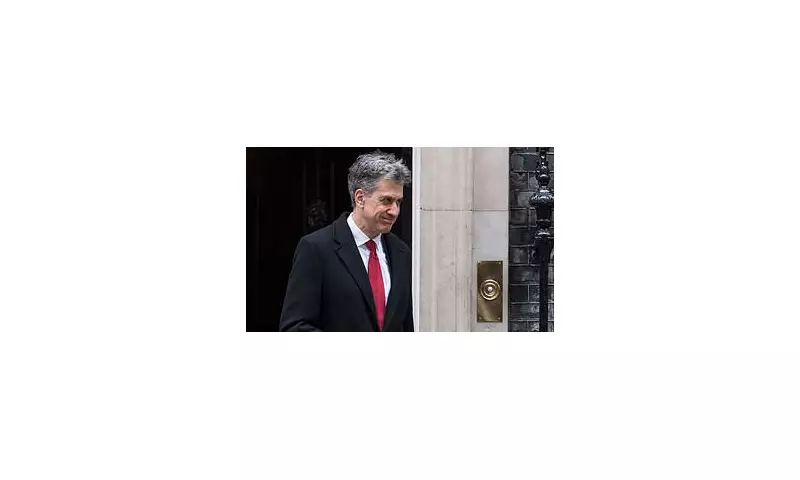
The Energy Secretary, Ed Miliband, has declined to impose a ban on purchasing solar panels potentially made with slave labour for the Government's new Warm Homes Plan. This refusal comes despite his public commitment to diversifying the UK's supply chains away from China, which dominates global solar panel production.
Warm Homes Plan Details and Funding
Announced on Tuesday, the Warm Homes Plan represents a significant government initiative, backed by £15 billion in taxpayer funding. It aims to assist millions of families by providing access to solar panels, batteries, heat pumps, and insulation. Homeowners can apply for low and zero-interest loans to install these technologies, part of what the Government has labelled a 'rooftop revolution' to reduce energy costs.
Concerns Over Supply Chain Ethics
However, the plan has sparked serious ethical concerns. There are fears that fitting up to five million British homes with solar panels sourced from China could involve products linked to slave labour abuses against Uyghur Muslims in China's Xinjiang province. These allegations have drawn international condemnation and raised questions about supply chain transparency.

Contrast with GB Energy Regulations
In April, the Government was compelled to amend legislation requiring GB Energy, the state-owned energy company, to ensure its supply chains are free from slavery and human trafficking. Yet, under questioning in the Commons Chamber on Wednesday, Mr Miliband refused to extend this same ban to solar panels purchased for the Warm Homes Plan.
When pressed to confirm that 'not a single aspect' of the plan would rely on slave labour supply chains, the Energy Secretary responded by stating the Government had already 'raised standards' in GB Energy. He attributed the current situation to the 'system' inherited from the previous Conservative administration, rather than committing to new safeguards.
Miliband's Stance on Supply Chain Diversification
This position appears contradictory to Mr Miliband's earlier statements. On Wednesday morning, he emphasised on BBC Radio 4's Today programme that the Government is actively working to 'diversify' supply chains away from China, which produces approximately 80% of the world's solar panels. He acknowledged that the concentration in solar panel manufacturing has developed over the past 10 to 15 years and stated, 'we do need to unwind that concentration, and that's what we are seeking to do.'
Political Criticism and Reactions
Shadow energy secretary Claire Coutinho criticised Mr Miliband's decision, highlighting the inconsistency in policy. She remarked, 'Ed Miliband has already been forced into banning Great British Energy from spending taxpayer's money on solar panels made by Chinese slaves. He has serious questions to answer about why he's not applying the same standard to solar panels bought through the Warm Homes Plan.'
Scope and Ambitions of the Warm Homes Plan
The Warm Homes Plan is described by the Government as the largest public investment in home upgrades in British history. Key objectives include making solar panels a default feature in every new home and tripling the number of homes with rooftop solar panels by 2030. This ambitious rollout aims to enhance energy efficiency and reduce household bills on a national scale.
Broader Implications and Public Scrutiny
The controversy underscores the challenges of balancing rapid green energy expansion with ethical procurement practices. As the plan progresses, it will likely face ongoing scrutiny from human rights advocates, political opponents, and the public, who may demand greater assurance that taxpayer-funded initiatives do not inadvertently support human rights abuses.
Ultimately, the Government's ability to reconcile its environmental goals with ethical supply chain management will be critical to the success and public acceptance of the Warm Homes Plan.