The UK government has signed a series of major new offshore wind contracts, a move it claims will boost energy security but which critics warn could lock consumers into higher electricity prices for the next two decades.
Details of the New Wind Power Agreements
In the latest auction round for renewable energy projects, ministers have agreed to fixed-price contracts for six new offshore wind developments. These contracts guarantee a set price, known as a 'strike price', to the energy producers for 20 years. The auction is a key part of Labour's drive to achieve a clean power grid by 2030.
While fewer projects were agreed this year (six) compared to last year's record of nine, the latest round sets a new record for capacity, securing 8.4GW of power. The projects include:

- Berwick Bank in the North Sea – the first new Scottish project since 2022 and the largest planned offshore wind farm in the world.
- Two projects at Dogger Bank South (off Yorkshire) and Norfolk Vanguard (off East Anglia), among the world's largest.
- Awel Y Mor in the Irish Sea, the first Welsh project to win a contract in over a decade.
Price Guarantees and Political Fallout
The agreed strike price for traditional offshore wind averages £90.91 per megawatt hour (MWh). For newer floating offshore wind technology, the price is significantly higher at £216.46 per MWh. This represents an 11 per cent increase on the strike price offered in last year's auction and is above the average wholesale electricity price of £83 per MWh seen last year.
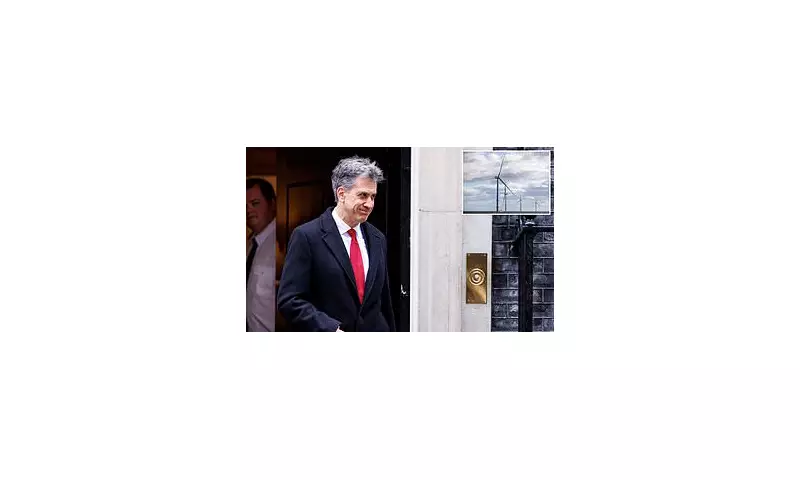
Net Zero Secretary Ed Miliband hailed the deals as an 'historic win' for UK energy sovereignty. He argued the price is 40 per cent lower than the cost of building and operating new gas plants and will generate enough power for 12 million homes, attract £22bn in investment, and support 7,000 jobs.
However, Shadow Net Zero Secretary Claire Coutinho criticised the move, stating the government had 'locked every family in Britain into higher energy bills for decades'. She pointed out that bills are already almost £200 higher than when Labour took office and argued the contracts cement uncompetitive prices.
Technological Innovation and Future Implications
The auction also supports the development of floating offshore wind technology, where turbines are mounted on floating platforms. Two such projects, Erebus off Pembrokeshire and Pentland off Scotland, are backed by the new Great British Energy and the National Wealth Fund.
The Department for Energy Security and Net Zero insists the long-term contracts provide certainty for investors, driving down costs over time and reducing reliance on volatile fossil fuel markets. The debate now centres on whether this strategic bet on homegrown renewable energy will ultimately protect consumers or burden them with above-market costs for a generation.