North of England Demands Central Role in Net Zero Strategy as Economic Data Reveals Regional Strength
Labour peer Julie Elliott has issued a powerful call for the north of England to be placed "front and centre" of the Treasury's growth strategy for clean energy. This demand comes as new analysis reveals that the net zero sector contributes a significantly larger share of economic output in the northern regions compared to the national average.
Economic Analysis Highlights Northern Dominance in Clean Energy
Research published by the business group Northern Powerhouse Partnership presents compelling data about the north's crucial role in the UK's green transition. The analysis demonstrates that net zero accounts for a higher proportion of regional output in the north of England than it does across Britain as a whole. Remarkably, the north contributes just over a fifth of the country's total net zero output, establishing it as a vital engine for the nation's green economy.
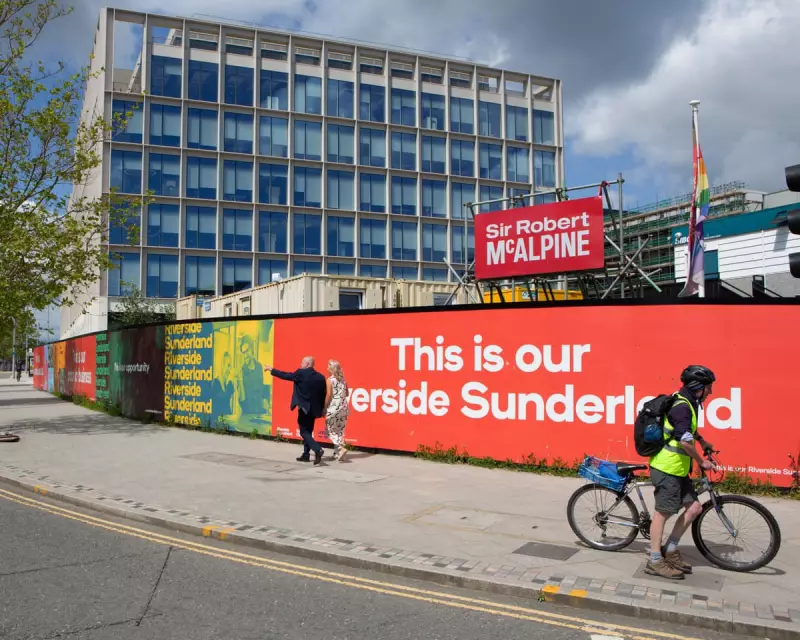
In specific areas, the concentration is even more pronounced. Sunderland, Tyneside, Warrington, Darlington, and Cumberland are experiencing rapid growth within this relatively new industry. In these regions, net zero contributes between 6-7% of gross value added (GVA), a key measure of economic value generated through goods and services. This includes high-skilled, well-paid employment in sectors such as electric vehicle and battery production, building retrofitting, and work on wind turbines and solar energy infrastructure.

Political Warnings and Electoral Implications
The political landscape adds urgency to these economic considerations. Labour leaders in Sunderland, where the net zero strategy represents a higher share of economic output than anywhere else in the north, have issued stark warnings about the potential consequences of political change. They caution that Reform UK, if it gains power, would likely dismantle the industry that has become so vital to the region's prosperity.
Nigel Farage's party is anticipated to secure control of hundreds of council seats across northern England during May's local elections, potentially breaking Labour's long-standing dominance on Sunderland City Council. Reform UK has publicly pledged to abandon what it terms "net stupid zero" policies, arguing they destroy jobs in traditional energy sectors like oil and gas.
Michael Mordey, the Labour leader of Sunderland City Council, expressed serious concerns about this political shift. He stated his fear that Reform UK would "introduce Trump-like climate change denial policies" that could severely damage the local economy if the party were elected. Mordey emphasised that maintaining a Labour council in Sunderland during the May elections is essential to continue attracting well-paid green jobs for local residents.
Strategic Importance and Treasury Responsibilities
Chancellor Rachel Reeves has previously described clean energy as "the industrial opportunity of the 21st century", noting that the UK's net zero sector is expanding three times faster than the overall economy. Government projections indicate that by 2030, the nation's clean energy workforce will more than double, reaching approximately 800,000 jobs.
Lady Elliott, who serves as chair of the Northern Powerhouse Partnership and previously represented Sunderland Central as a Labour MP, stressed the critical importance of Treasury leadership. She argued that Reeves must construct the clean energy strategy specifically around the strengths of northern England. Elliott posed a crucial question: "If making the north a leader in energy transition isn't front and centre in growth strategy, how can we expect the national wealth fund or GB Energy to deploy more of their investment up north if the Treasury hasn't clearly instructed them to do so – as the evidence proves they should."

Balancing Opportunity and Risk in Regional Development
Experts analysing the situation identify both significant opportunity and considerable risk for the north of England in the transition to net zero. With proper Treasury backing and strategic investment, the green energy sector could support substantial reindustrialisation, boost productivity, and anchor long-term investment in regions that have historically struggled following the decline of traditional heavy industries.
However, the alternative scenario presents serious concerns. If net zero jobs and investments are prioritised elsewhere in the country, it would likely "reinforce current disparities" and leave important northern cities and towns like Sunderland and Warrington economically disadvantaged. This warning underscores the high stakes involved in regional economic planning.
The recent government commitment to Northern Powerhouse Rail, an improved east-west transport link designed to replace the region's ageing Victorian railway infrastructure, has been welcomed by northern leaders. However, with many commuters not expected to benefit from these upgrades until the early 2030s, there is growing pressure on the Treasury to commit to clean energy initiatives in the north that could deliver a more immediate economic boost.
Current data from analytics firm The Data City indicates that net zero already supports approximately 140,000 jobs in the north of England, representing just under 2% of total employment and aligning with the UK average. The distinctive characteristic, however, remains the sector's disproportionately large contribution to regional economic output, highlighting the north's unique position within the national green economy.