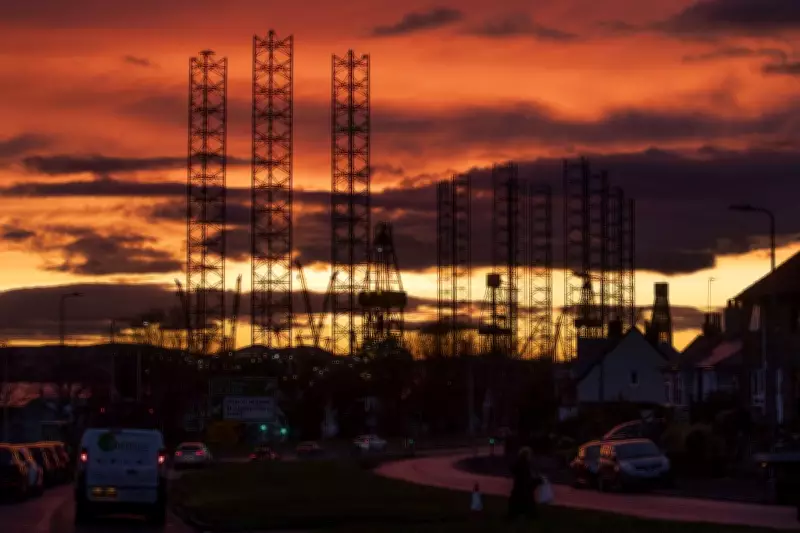
North Sea Gas Delivers £2.5bn Savings for UK Amid Global LNG Price Spike
New analysis from investment bank Stifel has revealed that the United Kingdom saved approximately £2.5 billion last year by utilising its own offshore gas reserves from the North Sea rather than purchasing expensive imports of liquified natural gas (LNG). This significant financial benefit comes at a time of intense political debate over whether to expand domestic oil and gas drilling operations in the region.
Global Conflict Drives LNG Price Increases and Supply Concerns
Gas prices have surged by more than 50 percent since the initial US strikes on Iran in late February, with Tehran's retaliatory attack on Qatar's Ras Laffan LNG plant exacerbating global supply fears. This critical facility, responsible for around one-fifth of the world's LNG output, is expected to require several years of repairs to restore full production capacity.
Stifel analyst Chris Wheaton emphasised the economic advantage of domestic resources, stating: "Unsurprisingly – and we are frankly astonished that this has to be stated – the UK's own North Sea gas is cheaper than imported LNG, and we estimate this saved the UK £2.5bn in 2025 alone. With the increase in global LNG prices due to the Persian Gulf conflict, we expect that amount will be substantially higher in 2026."

Political Pressure Mounts Over North Sea Drilling Decisions
The question of whether to permit additional domestic oil and gas extraction in the North Sea has created significant pressure on Prime Minister Sir Keir Starmer in recent weeks, with apparent divisions emerging within his own cabinet regarding the appropriate course of action.
Last week, the government officially denied reports that Energy Secretary Ed Miliband was preparing to approve the first major North Sea field project in nearly a decade. However, Chancellor Rachel Reeves expressed her willingness to support exploration activities at specific sites including Rosebank and Jackdaw, stating she would be "very happy" to back such initiatives.
Opposition leader Kemi Badenoch has joined former US President Donald Trump in advocating for expanded domestic drilling operations. Trump has repeatedly criticised wind power alternatives and urged the British government to focus on North Sea extraction, famously telling Sir Keir to "drill, baby, drill."
Environmental and Economic Counterarguments Against Expansion
The Energy and Climate Intelligence Unit (ECIU) has presented strong opposition to further North Sea gas extraction, noting that approximately 90 percent of the region's gas reserves have already been depleted. The organisation warns that accelerating extraction without corresponding renewable energy development will only increase the UK's dependence on overseas imports.
Jess Ralston, head of energy at ECIU, explained: "The UK has already made huge strides towards renewables, but as the Energy Crisis Commission has warned, unless we continue that shift away from gas, whether it comes from the North Sea or not, the risk remains that bills will continue to spike. This is the second gas price crisis triggered by a war in just a matter of years."
Research and campaign organisation Uplift has reinforced this perspective, asserting that additional domestic production would have minimal impact on UK energy bills. Their analysis indicates that North Sea output remains insufficient to influence global pricing structures, with reserves owned by private companies who sell resources at international market rates.
Taxation Proposals and Long-Term Energy Security Concerns
Stifel has previously argued that the current windfall tax on energy companies is excessively high and that declining North Sea extraction merely shifts emissions to other nations rather than reducing them globally. The bank has proposed alternative taxation arrangements that could generate between £1-2 billion annually for public finances through increased economic activity, despite potentially lower corporate tax rates.

Official projections suggest that even with new North Sea field development, the UK's reliance on imported gas is expected to increase from 55 percent currently to over two-thirds by 2030, potentially reaching more than 90 percent dependency by 2050 unless significant renewable energy infrastructure is implemented.
The ongoing debate encapsulates the fundamental tension between immediate economic benefits from domestic fossil fuel resources and long-term energy security through renewable transition, with billions in potential savings weighed against climate commitments and future price volatility risks.