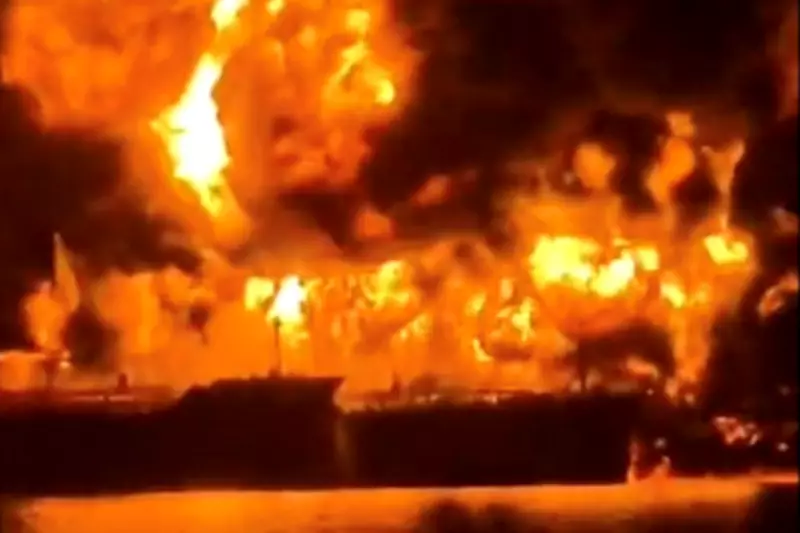
Oil prices have surged dramatically, breaking through the $100 per barrel threshold, in the wake of suspected Iranian attacks on multiple fuel tankers operating in Iraqi territorial waters. This significant escalation has sent shockwaves through global energy markets and heightened geopolitical tensions in the strategically vital Persian Gulf region.
Ports Halt Operations and Vessels Relocate
In response to the immediate threat, Iraqi oil ports have completely ceased all operations. This precautionary shutdown has disrupted crude oil exports from one of the world's key petroleum-producing nations. Furthermore, other countries have swiftly moved their commercial vessels away from the affected area to ensure safety, creating logistical challenges and potential supply chain bottlenecks.
Iran Claims Responsibility and Issues Stark Warning
The Iranian government has officially claimed responsibility for striking a Thai bulk carrier just yesterday. This attack resulted in three crew members being trapped onboard the vessel. In a provocative statement, Iranian officials warned that oil prices could potentially skyrocket to an unprecedented $200 per barrel if the current conflict intensifies, threatening global economic stability.

US Military Response and Trump's Declarations
Former US President Donald Trump made a series of bold statements regarding the unfolding crisis. Trump asserted that the United States has 'won' the war in Iran but emphasized the need to 'finish the job' to ensure long-term security. He also claimed that US forces have destroyed 28 Iranian mine-laying ships in the Strait of Hormuz. This action follows his earlier warnings about Iran allegedly placing mines in this crucial maritime chokepoint, through which a substantial portion of the world's seaborne oil shipments passes.
The situation remains highly volatile, with analysts closely monitoring further developments that could impact energy supplies, regional security, and international diplomatic relations. The attacks have underscored the fragile nature of global oil markets and the persistent risks associated with geopolitical flashpoints in the Middle East.