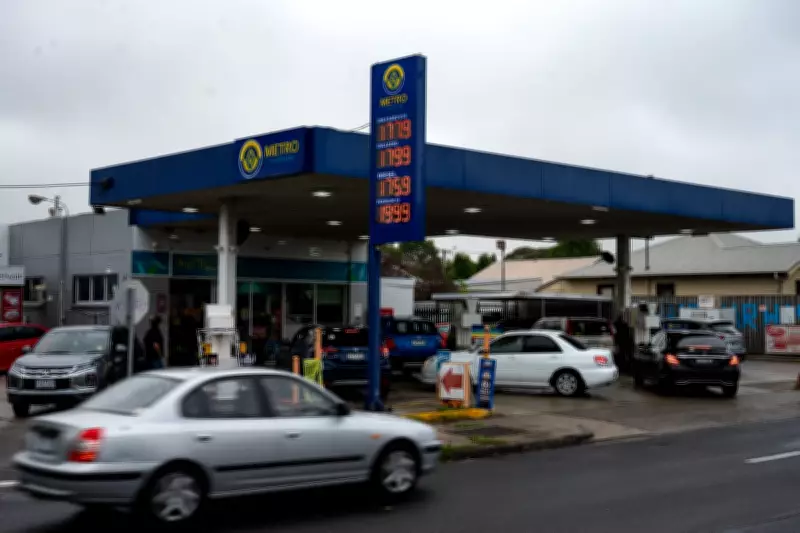
Energy Minister Chris Bowen has issued a stark warning about a 'massive spike' in fuel demand across Australia, driven by widespread panic buying amid escalating global tensions. According to recent data, fuel sales have skyrocketed by 238% in the Adelaide Hills and Barossa regions, while Mildura in Victoria has seen a 100% increase. This surge is creating severe shortages at regional service stations, despite assurances from the government that there is no overall fuel supply deficit in the country.
Government and Experts Urge Calm Amid Supply Chain Pressures
In a parliamentary address, Chris Bowen emphasized that the primary risk to petrol availability in Australia is not a lack of fuel but rather panic buying. He stated, 'The biggest risk to availability in Australia right now is panic buying,' highlighting how stockpiling has left many country service stations unable to replenish their stocks quickly. Bowen confirmed that fuel shipments continue to arrive in Australia, with close monitoring of incoming supplies to ensure stability.
Regional Distributors Report Allocation Issues
Contrary to government statements, regional fuel distributors like Bartranz Petroleum in Queensland have reported receiving only about 10% of their usual allocated fuel from Brisbane. Bartranz expressed frustration on social media, noting that whether it's a supply or distribution problem, the outcome for rural Australia remains the same: an inability to access fuel. This disconnect underscores the challenges in distributing fuel evenly across vast distances, particularly in remote areas.

Motoring Groups Warn of a 'Vicious Cycle'
Peter Khoury, a spokesperson for the NRMA, described the situation as a 'vicious cycle,' where panic buying exacerbates supply pressures, leading to further stockpiling. He urged Australians to avoid panic buying and called on oil companies to ensure that supply chains function effectively from terminals to service stations. The NRMA has previously accused petrol retailers of price gouging, adding another layer to the ongoing crisis.
Emergency Taskforce Addresses Supply Chain Challenges
In response to the escalating situation, the government convened an emergency meeting of a newly formed taskforce, bringing together key stakeholders from farming, transport, and fuel sectors alongside four federal ministers. The group committed to sharing information and identifying emerging issues, acknowledging supply chain pressures in regional areas while maintaining that Australia's overall fuel supply remains stable.
Impact on Farmers and Independent Service Stations
Peter Jones, interim executive director of the Motor Trades Association of Australia, explained that regional and rural service stations are struggling to meet the surge in demand due to logistical delays. He noted that independent stations without formal contracts with major oil companies may face delays in resupply, putting them at a disadvantage. Jones urged motorists to purchase fuel as usual and respect service station staff, amid reports of abusive behavior from frustrated customers.
Global Oil Price Volatility and Economic Predictions
The crisis is set against a backdrop of global oil price fluctuations, driven by the US-Israel conflict with Iran. Brent crude prices spiked to as high as US$118 per barrel this week before declining after comments from former US President Donald Trump. Analysts, including Madison Cartwright from CBA, predict the conflict will persist for months, potentially keeping fuel prices elevated. Shane Oliver, chief economist at AMP, warned that Australians may need to adjust to petrol prices exceeding $2 per litre, pushing average household fuel bills toward record highs.
As the situation unfolds, experts continue to stress that calm and rational behavior from consumers is crucial to alleviating the fuel shortages and stabilizing the market.