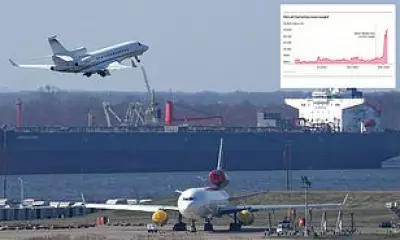
British motorists have been confronted with unprecedented surges in fuel costs during the month of March, as petrol and diesel prices skyrocketed by 20p and 40p per litre respectively. This dramatic increase has set new monthly records, surpassing previous highs observed in 2022 following Russia's invasion of Ukraine.
Record-Breaking Price Hikes
The average price of petrol escalated from 132.8p to 152.8p per litre, while diesel soared from 142.4p to 182.8p per litre. These figures represent the most significant monthly increases ever recorded in the UK, placing immense financial pressure on households and businesses nationwide.
Impact on Households and Businesses
The RAC has highlighted that these rapid price hikes are taking a substantial toll on both domestic budgets and commercial operations. With fuel being a critical expense for many, the surge is exacerbating the cost-of-living crisis and hindering economic activity across various sectors.

Government Response and Warnings
In response to the escalating costs, energy firms have been warned that the government will not tolerate what it describes as 'rip off' fuel prices. Officials are closely monitoring the situation to ensure fairness and transparency in the market, amid concerns over profiteering during the crisis.
Practical Advice for Motorists
To mitigate the financial impact, motorists are advised to adapt their driving habits. Recommendations include reducing speed by 10 per cent and anticipating road conditions to enhance fuel efficiency. Such measures can lead to significant savings, helping drivers cope with the ongoing price volatility.
Broader Context and Future Outlook
The surge in fuel prices is largely attributed to the ongoing Iran oil crisis, which has disrupted global supply chains and driven up costs. Analysts predict that prices may remain elevated in the coming months, depending on geopolitical developments and market responses. Consumers are urged to stay informed and plan accordingly to manage their fuel expenses effectively.