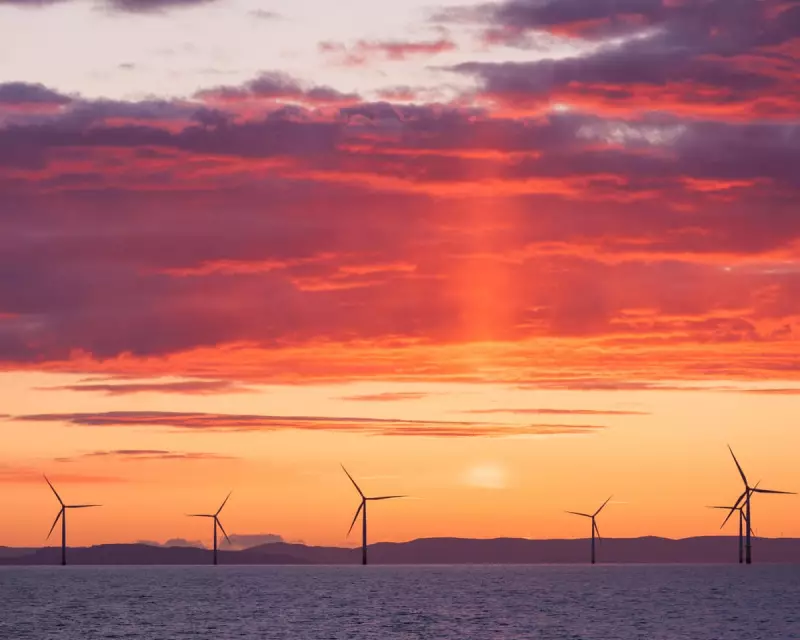
In a landmark move for Britain's energy future, the government has secured a record-breaking amount of new offshore wind power, a result Energy Secretary Ed Miliband says definitively proves the critics of clean energy wrong.
A Historic Auction for Energy Sovereignty
The latest government auction has successfully procured 8.4 gigawatts (GW) of new offshore wind capacity. This colossal figure represents the largest amount of offshore wind ever secured in a single auction in Britain, or indeed across Europe. The new capacity is enough to power the equivalent of more than 12 million UK homes.
This outcome marks a dramatic turnaround from the failed auction of 2023 under the previous Conservative administration, which did not attract a single offshore wind project. Miliband positioned the result as a vindication of Labour's energy strategy, arguing it lays the foundation for energy sovereignty and lower bills by moving the country away from volatile international fossil fuel markets.

Cheaper than Gas and a Nationwide Boost
Countering arguments about the cost of renewables, the government highlighted that the average strike price secured for fixed offshore wind projects is £90.91 per megawatt-hour. This is significantly cheaper than the cost of building and operating a new gas-fired power station.
The auction results include major projects across Great Britain, ensuring a broad geographic spread of investment and jobs. Key projects include:
- Dogger Bank South off Yorkshire and Norfolk.
- Norfolk Vanguard off the coast of East Anglia.
- Berwick Bank in the North Sea, the first new Scottish project since 2022.
- Awel Y Môr, the first Welsh project to win a contract in over a decade.
The auction also secured pioneering floating offshore wind projects in Scotland and Wales, positioning the UK as a leader in this emerging technology.
Jobs, Investment, and a Political Dividing Line
The Secretary of State framed the auction as central to the UK's industrial strategy, stating it will unlock £22 billion in private investment and support the creation of thousands of jobs in engineering, manufacturing, and technical roles. The government aims to support 100,000 offshore wind jobs by 2030.
Miliband used the announcement to draw a sharp political contrast, accusing the Conservatives and Reform UK of wanting to "wage war on clean energy" and leave Britain vulnerable to fossil fuel price shocks. He stated that Labour is "brave enough to face down the naysayers" because clean power is essential for lower bills, energy security, and tackling the climate crisis.
The government also noted that alongside these long-term decisions, short-term bill support continues, with an average of £150 being taken off annual energy bills from April and the Warm Home Discount being expanded to help six million low-income families.