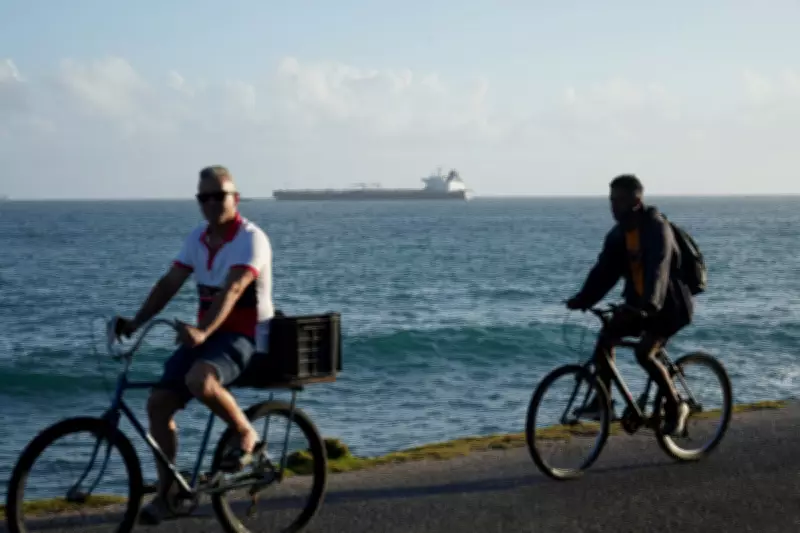
Russia has declared its intention to dispatch a second oil tanker to Cuba, as confirmed by Energy Minister Sergei Tsivilyov on Thursday. This move comes shortly after a sanctioned Russian vessel, the Anatoly Kolodkin, successfully delivered 730,000 barrels of oil to the Cuban port of Matanzas, marking the first such shipment to reach the island in three months.
Minister's Statement on Cuban Blockade
Speaking at an energy forum in Kazan, Russia, Tsivilyov emphasized Russia's commitment to supporting Cuba amidst what he described as a "total blockade." He stated, "Cuba is in a total blockade, it's been cut off. Whose shipment of oil made it? A Russian vessel broke through the blockade. A second one is being loaded right now, we will not leave Cubans alone in trouble." This announcement underscores Russia's strategic efforts to bolster Cuba's energy security in the face of international sanctions.
Cuba's Energy Dependence and Impact of Shipments
Cuba currently produces only about 40% of its required fuel, heavily relying on imports to maintain its energy grid. The recent delivery from Russia is expected to yield approximately 180,000 barrels of diesel, which experts estimate could meet Cuba's daily demand for nine to ten days. This shipment highlights the critical role of Russian support in alleviating Cuba's energy shortages.

The ongoing deliveries reflect broader geopolitical tensions, with Russia positioning itself as a key ally to Cuba despite U.S.-led sanctions. As Cuba navigates these challenges, the arrival of additional oil tankers could provide temporary relief, though long-term energy solutions remain uncertain. The situation continues to draw international attention, particularly in the context of Latin American and Caribbean energy dynamics.