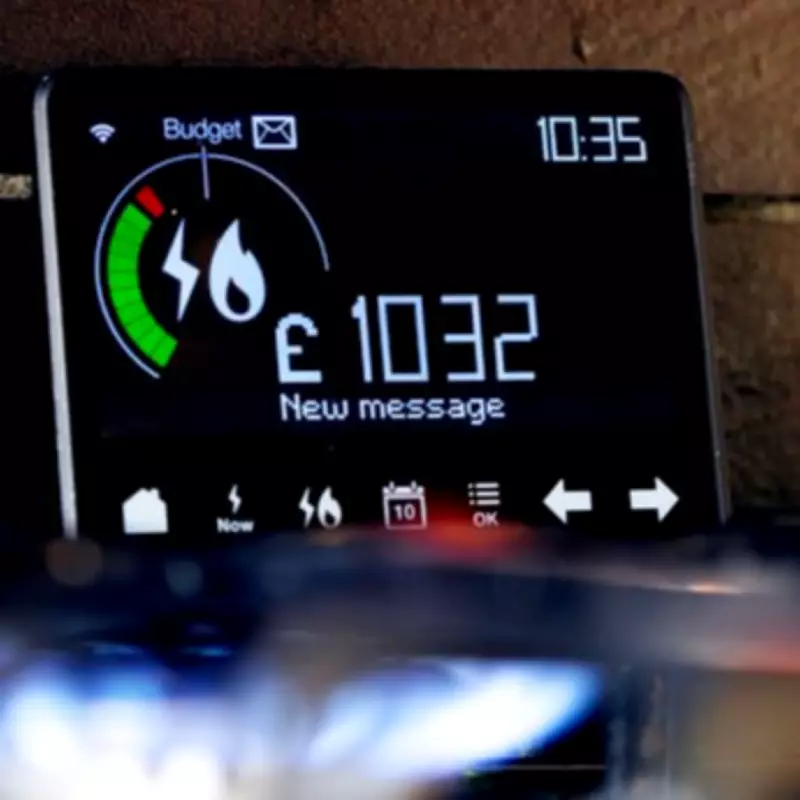
Households enduring prolonged waits for smart meter installations are set to receive automatic £40 payouts under new regulations introduced by the energy watchdog. The compensation scheme, which comes into force next month, also applies when scheduled appointments are missed due to faults within a supplier's control.
Regulator Acts to Bolster Smart Meter Standards
Ofgem, the industry regulator, announced the rule changes in a concerted effort to enhance standards and accountability within the smart meter rollout. According to the latest government data, over 70% of UK homes now possess a smart or advanced meter, with more than 90% of these functioning correctly. However, this still leaves millions of households without the devices, and reports indicate that approximately one in ten installed meters are experiencing operational issues.
Charity Response: A Welcome Yet Incomplete Step
The charity Citizens Advice has welcomed the impending compensation rules but simultaneously criticised them as a "missed opportunity." Gillian Cooper, the organisation's Director of Energy, emphasised that without parallel standards obliging suppliers to repair faulty meters promptly, consumers risk remaining trapped with subpar energy services and potential financial losses.

"While automatic compensation for delays is a positive development, it does not fully address the core problem of ensuring reliable, functional smart meters for all households," Cooper stated.
Broader Financial Landscape: Borrowing Cools as Petrol Prices Dip
Concurrent with these energy sector developments, recent Bank of England data reveals a cautious approach among British consumers towards additional debt. Net consumer credit borrowing fell by £600 million in December to £1.5 billion, with credit card borrowing specifically dropping from £1 billion to £700 million. Mortgage approvals also declined to 61,013, marking the lowest figure since June 2024.
In more favourable news for household budgets, motoring group the RAC reports that petrol prices have plummeted to a near five-year low. The national average now stands at 131.91p per litre, a reduction driven by oil prices dipping below $60 a barrel. This decrease translates to savings of nearly £3 for a typical 55-litre family car refill.
High Street and Energy Sector Developments
The retail sector faces continued strain, with fashion chain Quiz filing a notice of intention to appoint administrators, jeopardising around 1,000 jobs. Conversely, in the energy market, Octopus Energy has expanded internationally, forming a joint venture in China to trade renewable energy, coinciding with a diplomatic visit aimed at strengthening UK-China economic ties.
These interconnected stories paint a picture of a consumer environment balancing regulatory protection in essential services, cautious financial behaviour, and shifting costs in key areas like transport fuel.