TEPCO to Restart Reactor at World's Largest Nuclear Plant Amid Safety Concerns
The operator of the Fukushima Daiichi nuclear plant, which suffered catastrophic meltdowns in 2011, is set to restart a reactor at the world's largest nuclear power facility in north-central Japan. This move has reignited significant public anxiety over nuclear safety in the country.
Reviving Operations at Kashiwazaki-Kariwa
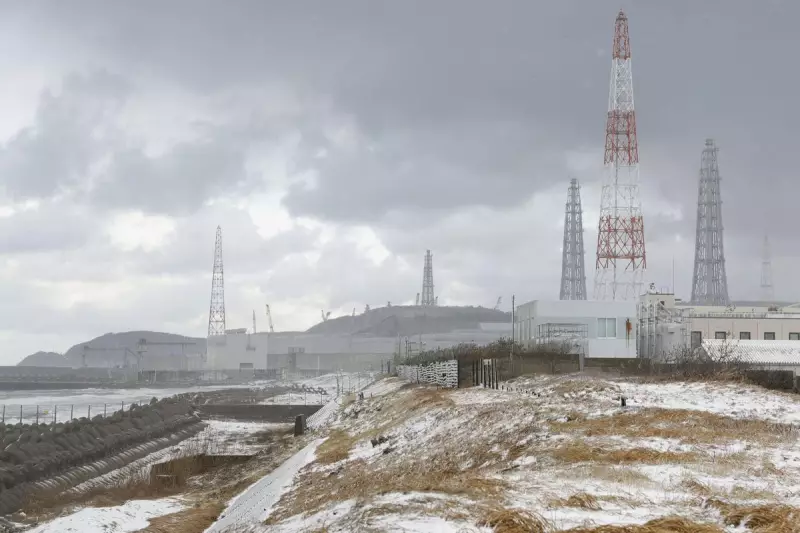
Tokyo Electric Power Company Holdings (TEPCO) will begin energy production at the No. 6 reactor of the Kashiwazaki-Kariwa nuclear power plant. This marks the first time a TEPCO-operated unit has resumed generation since the Fukushima disaster. The restart is part of Japan's broader strategy to accelerate atomic power usage to meet soaring electricity demands, particularly from power-intensive AI data centres.
All seven reactors at Kashiwazaki-Kariwa have been offline since 2012, following nationwide safety shutdowns implemented after the Fukushima crisis. Although these units were unaffected by the 2011 earthquake and tsunami, the plant itself was partially damaged in a 2007 quake, leading to ongoing local distrust.

Persistent Safety Worries and Public Distrust
TEPCO's management of the Fukushima Daiichi plant, where meltdowns contaminated surrounding areas with severe radioactive fallout, has left a lasting stain on its reputation. Government and independent investigations attributed the disaster to the utility's poor safety culture and collusion with regulators.
"The information provided by TEPCO seems one-sided and not enough for residents," said Mie Kuwabara, a local resident who recently protested outside TEPCO's Tokyo headquarters. These concerns are compounded by the plant's location in an isolated, earthquake-prone region.
Recent events have further shaken confidence. A major earthquake in the nearby Noto region two years ago caused severe damage to infrastructure, highlighting potential flaws in evacuation plans. Nuclear safety officials warn that such damage could render existing evacuation strategies largely unworkable.
Evacuation Challenges and Regulatory Hurdles
Under current government draft evacuation plans, approximately 18,600 residents within a 5-kilometer radius of the plant would need to evacuate in case of radiation leaks, while about 400,000 others in a wider zone would be instructed to stay indoors. The feasibility of these plans remains a critical concern for nearby communities.
The No. 6 reactor had cleared safety tests in 2017 but faced an operational ban by the Nuclear Regulation Authority in 2021 due to serious safeguarding problems. It only received regulatory approval in 2023, following revelations of seismic data falsification by another utility during safety screenings—an incident that angered officials and undermined public trust.
Japan's Energy Policy Shift and Economic Implications
Japan has reversed its post-Fukushima nuclear phaseout policy, citing the need for stable, affordable energy supplies and rising fossil fuel import costs exacerbated by global conflicts like Russia's war in Ukraine. Prime Minister Sanae Takaichi aims to maximise nuclear energy use by:
- Accelerating restarts of workable reactors
- Extending operational lifespans
- Building replacement and new reactors
- Developing next-generation models
The restart of the No. 6 reactor could generate an additional 1.35 million kilowatts of electricity—enough to power over 1 million households in the Tokyo region. While residents welcome potential economic and employment benefits, nuclear safety remains their paramount worry.
Safety Enhancements and Future Steps
Since the Fukushima disaster, TEPCO has implemented extensive safety measures at Kashiwazaki-Kariwa, including:
- Reinforcing seawalls
- Making reactor buildings watertight
- Installing emergency water injection reservoirs
- Constructing filtered venting systems to remove radioactive particles
The company has invested over 1 trillion yen (£6.33 billion) in these upgrades. Once the reactor reaches 50% capacity in about a week, it will undergo temporary shutdown for inspection before full commercial operation resumes in late February.

This restart aligns with Japan's new decarbonisation targets, which aim to more than double nuclear power's share in the energy mix to 20% by 2040. Meanwhile, Kansai Electric Power Co. has announced plans to survey constructing a new reactor—the first since Fukushima—highlighting the industry's cautious revival.