MPs Decry 'Catastrophic Failure' of Tory Insulation Programme
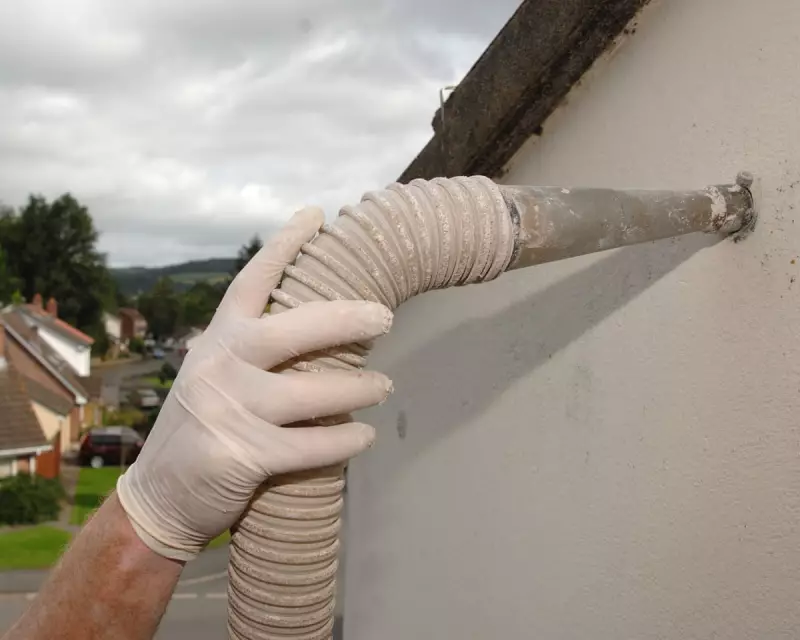
Tens of thousands of households across the United Kingdom have been severely impacted by what Members of Parliament have labelled a 'catastrophic failure' of the Energy Company Obligation (Eco) insulation programme. This initiative, operated under the previous Conservative government, has spiralled into a national scandal, leaving homeowners burdened with exorbitant repair costs and health risks from issues like mould and damp.
Staggering Financial and Health Consequences for Homeowners
The fallout from the botched Eco scheme has been profound, with one extreme case involving a household confronted with a £250,000 bill to rectify damage caused by poor installation. Thousands more have incurred expenses ranging from £250 to £18,000 to address substandard work that, in some instances, posed direct threats to health. The Serious Fraud Office is now being urged to investigate these failures, highlighting the scale of the debacle.
Labour's Warm Homes Plan Under Scrutiny Amid Industry Crisis
In response, the government has unveiled its long-awaited £15 billion warm homes plan, aimed at reducing energy bills and boosting clean energy through investments in solar panels, batteries, low-carbon heat pumps, and insulation measures. While ministers hail this as the UK's largest public investment in home upgrades, campaigners and experts express concern over a perceived emphasis on generating low-carbon energy rather than conserving it through insulation.

Christopher Hammond, chief executive of UK100, a coalition of local government leaders focused on climate action, noted, 'Some of the wording in the plan seems to deprioritise insulation. But we know it works. We are worried about the emphasis.' Of the £15 billion, one-third is allocated to upgrading homes for vulnerable and low-income individuals, though the exact portion dedicated to insulation remains unspecified.
Years of Policy Instability Shake the Insulation Sector
The insulation industry has been rocked by years of stop-start policies, beginning with David Cameron's early championing during the coalition government, followed by the scrapping of loan schemes in 2015. After a period of no government support, Boris Johnson introduced a 'green homes grant', only for it to be abandoned six months later amid criticism from MPs. Labour's move to scrap the Eco scheme, rumoured last autumn, has further destabilised the sector.
Sarah Kostense-Winterton, chair of the Energy Efficiency Infrastructure Group, reported that the sector has already made approximately 7,000 roles redundant in the past three months, with total job losses potentially reaching 70,000 by year-end. She emphasised, '[The sector] needs certainty and security now if any meaningful progress on tackling fuel poverty and driving down home heating bills is going to be made in this parliament.'
The Critical Role and Challenges of Effective Insulation
Home insulation is widely recognised as one of the most effective methods for cutting energy bills, enhancing comfort and health, and reducing greenhouse gas emissions. Well-insulated homes are cost-efficient to run and provide a pleasant living environment, particularly for older people, children, and those with health issues. However, installation is prone to errors if not handled carefully.
Anna Moore, chief executive and founder of retrofit company Domna, explained that insulation is often mistakenly viewed as a 'simple fix', but successful installations require meticulous planning, especially regarding ventilation. Without proper airflow, insulation can trap moisture, leading to damp, condensation, and mould. Moore added, 'These problems don't always appear straight away. Homes can look fine at first, but over time residents experience poorer air quality and buildings begin to deteriorate.'

Local Solutions and Financial Mechanisms in the New Plan
To ensure quality, Christopher Hammond advocates for local governments to collaborate closely with local suppliers over the long term, fostering relationships and trust to rectify issues and replicate high-standard work through initiatives like 'street by street' retrofit programmes. Beyond the £5 billion in grants for vulnerable and low-income groups, the warm homes plan will support those better able to pay via loans and innovative finance options, such as green mortgages offering lower interest rates for low-carbon refurbishments.
Shifting Focus Towards Green Energy Technologies
Despite expert reservations, the government's emphasis on solar panels, batteries, and heat pumps may yield quicker results than insulation alone. Research from the Department for Energy Security and Net Zero last autumn suggested that UK homes are less draughty than previously thought, making heat pumps effective even without prior insulation. Additionally, solar panel prices have plummeted to around £6,000 for average installations, with options like DIY plug-in sets and balcony panels increasing accessibility.
A Whitehall source indicated that the government aims to 'lean in' to what consumers want, rather than persistently promoting insulation first. This shift comes as the Labour administration faces the costly and time-consuming task of addressing alleged fraud, cowboy construction, and mishandling under the Eco scheme, with the ongoing challenge of preventing similar mistakes in heat pump and solar installations.