In a significant move to bolster domestic energy supplies, the Trump administration has invoked emergency powers to mandate the resumption of offshore oil production along the California coastline. This directive specifically targets Sable Offshore Corp., compelling the company to restart operations in the Pacific waters near Seal Beach.
Emergency Measures to Combat Rising Oil Prices
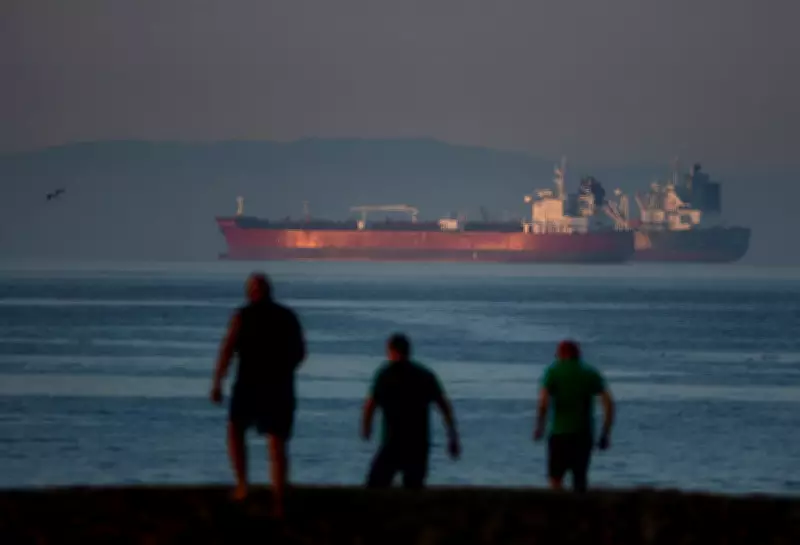
The decision comes as global oil markets experience substantial volatility due to ongoing military conflicts involving Iran. Photographs from March 17, 2026, reveal numerous oil tankers anchored off the coast of Seal Beach, California, illustrating the immediate logistical preparations underway.
Jones Act Waiver Facilitates Foreign Shipping
Simultaneously, the White House announced a temporary 60-day waiver of the century-old Jones Act, which traditionally restricts foreign-flagged vessels from transporting commodities like oil and gas between American ports. This regulatory suspension aims to enhance maritime flexibility and reduce transportation bottlenecks during the current crisis.

White House officials characterized this dual approach as "another step to mitigate short-term disruptions to oil markets" while military operations continue under Operation Epic Fury. The administration faces the complex challenge of managing escalating oil prices while maintaining military engagements in the Middle East.
Global Oil Market Disruptions
The strategic Strait of Hormuz has become a focal point of tension, with Iran continuing to export approximately $140 million worth of oil daily despite the conflict. According to Financial Times reports, at least thirteen Iranian supertankers carrying 24 million barrels have traversed the waterway since hostilities began, while simultaneously blocking passage for other vessels.
Maritime traffic through this crucial chokepoint has diminished significantly, with only about ninety ships crossing daily compared to the typical hundred-plus vessels. The New York Times documents at least sixteen ships, including commercial tankers, suffering attacks during Iran's blockade operations.
Economic Consequences and Diplomatic Strains
These disruptions have produced tangible economic effects, with Brent crude reaching $108 per barrel and U.S. crude trading around $97. American consumers face gasoline prices averaging $3.84 per gallon, representing the highest levels since September 2023 according to AAA measurements.
U.S. Treasury Secretary Scott Bessent acknowledged permitting some Iranian tanker movements "to supply the rest of the world," stating the administration accepts this arrangement temporarily to maintain global oil supplies. This pragmatic approach follows recent U.S. military strikes on Iran's Kharg Island, which officials claim targeted exclusively military infrastructure while sparing oil processing facilities.
International Resistance to U.S. Efforts
Diplomatic challenges have emerged as President Trump unsuccessfully petitioned allied nations, including the United Kingdom under Prime Minister Keir Starmer, to assist in reopening the Strait of Hormuz. Following these rejections, Trump publicly criticized NATO countries for their reluctance, calling their refusal "a very foolish mistake" during White House press briefings.
The president expressed frustration that while allies conceptually support U.S. positions, they demonstrate unwillingness to provide tangible assistance, remarking that "everyone agrees with us, but they don't want to help." This diplomatic friction underscores the complex international dimensions of the current energy and military crisis.