UK Fuel Crisis: Diesel Fill-Up Costs Surpass £100 Amid Middle East Conflict
The cost of filling a typical family car with diesel has soared above £100 as prices continue to rise sharply due to the ongoing conflict in the Middle East. This marks the first time since December 2022 that such a milestone has been reached, placing significant financial strain on motorists across the United Kingdom.
Rising Prices at the Pump
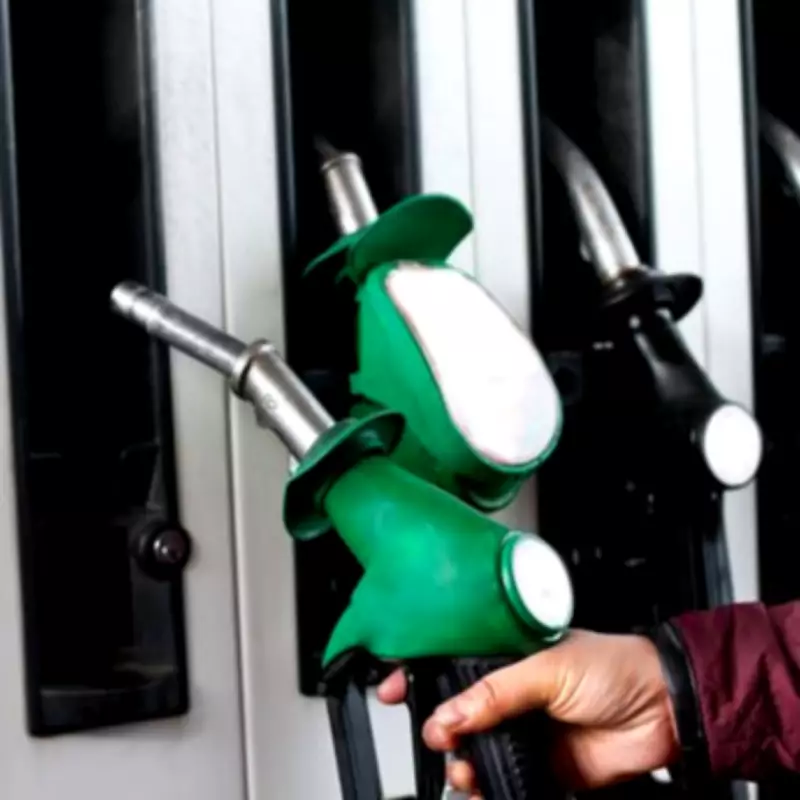
Latest data from the RAC reveals that average diesel prices at UK forecourts on Tuesday reached 182.8p per litre. This represents a staggering increase of 40p since the start of the war on February 28. For a typical 55-litre family car, the total fill-up cost now stands at £100.52. Meanwhile, petrol prices have also climbed, with the average now at 152.8p per litre, up 20p since the conflict began.
Simon Williams, head of policy at the RAC, commented on the situation, stating: "RAC analysis of wholesale fuel data points towards the price of petrol potentially stabilising if the cost of oil doesn't increase further, although diesel still looks likely to rise."

Financial Impact on Drivers
The motoring research charity, the RAC Foundation, has issued a stark warning this week. Price rises at the pumps have already led to drivers paying an additional £409 million for diesel and £135 million for petrol. Steve Gooding, director of the RAC Foundation, highlighted the escalating costs, noting that if increases continue at current rates, the war "will have cost motorists at least a billion pounds at the forecourt within the next couple of weeks."
He further elaborated: "The pump price premium paid by drivers since the war started now totals well north of half a billion pounds and is currently rising by about £37 million a day."
Underlying Causes and Market Disruptions
Wholesale fuel prices have surged primarily due to soaring oil prices, exacerbated by the effective closure of the Strait of Hormuz. Brent crude hit $116 a barrel earlier this week as the disruption continues. This strategic waterway normally facilitates the passage of approximately 20% of the world's oil and natural gas, making its closure a critical factor in global energy markets.
Government Response and Consumer Advice
In response to the crisis, the UK Government has urged drivers to compare fuel prices to save money. It has published a list of third-party fuel-price apps and websites to assist consumers. Since February 2, all UK forecourts have been required to report price changes to the Fuel Finder database within half an hour of any adjustment.
This data is then shared with various applications, including Confused.com, DriveScore, Fuel Finder UK, Fuel Spy, MotorMouth, PetrolPrices.com, RAC Fuel Watch, and the AA, enabling motorists to compare prices effectively. Luke Bosdet, Road Fuel Expert at the AA, remarked: "This is the first time that pump prices have coincided with price transparency set up by the UK Government. This has shown drivers where to save money either locally or out on the open road. Use of the AA App’s fuel-price search tool has shot up 500% in the last month, such is the demand from motorists."
Political and Industry Engagement
Chancellor Rachel Reeves recently hosted industry chiefs at 11 Downing Street, emphasizing a "shared obligation" among petrol retailers to keep prices down for drivers. This meeting underscores the government's concern over the economic impact of rising fuel costs and its efforts to collaborate with the industry to mitigate the effects on consumers.
As the conflict in the Middle East persists, motorists face ongoing uncertainty regarding fuel prices. With diesel costs already exceeding £100 per fill-up and petrol prices on the rise, the financial burden continues to mount, highlighting the broader implications of geopolitical tensions on everyday life in the UK.