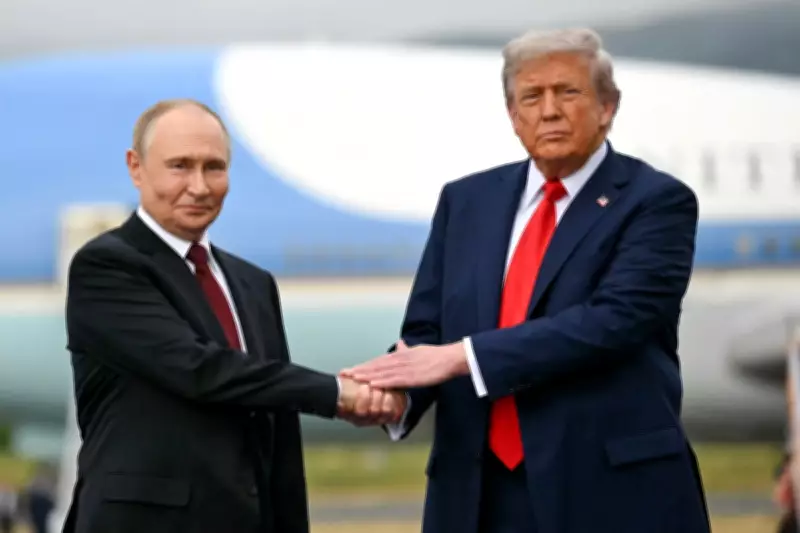
The United States has taken a significant step to address global energy market turmoil by issuing a 30-day waiver that permits countries to purchase sanctioned Russian oil and petroleum products currently stranded at sea without facing US tariffs. This strategic move, announced by the Trump administration, is designed to calm energy markets that have been severely disrupted by the ongoing Iran war, which has led to widespread supply concerns.
Narrowly Tailored and Short-Term Measure
Treasury Secretary Scott Bessent emphasised that the waiver is "narrowly tailored" and "short-term," asserting it will not provide substantial benefits to the Russian government. The licence specifically covers Russian crude loaded onto vessels as of 12 March and remains valid through 11 April, offering a temporary reprieve for nations grappling with energy shortages.
Immediate Market Impact and Broader Context
Following the announcement, oil prices have already begun to ease in Asian markets, indicating a positive initial response to the US intervention. This development occurs against a backdrop of escalating tensions, with the International Energy Agency warning that the Iran war is causing the most significant oil supply disruption in recorded history.

However, European Commission president Ursula von der Leyen has cautioned against relaxing sanctions on Russia, highlighting the delicate balance between addressing immediate energy needs and maintaining geopolitical pressure. The Strait of Hormuz remains closed, as confirmed by Iran, further complicating global oil logistics and underscoring the urgency of the situation.
This waiver represents a pragmatic approach by the US to mitigate the economic fallout from the conflict, while carefully limiting its scope to avoid bolstering Russian interests. As the crisis evolves, stakeholders worldwide will closely monitor its effects on energy stability and international relations.