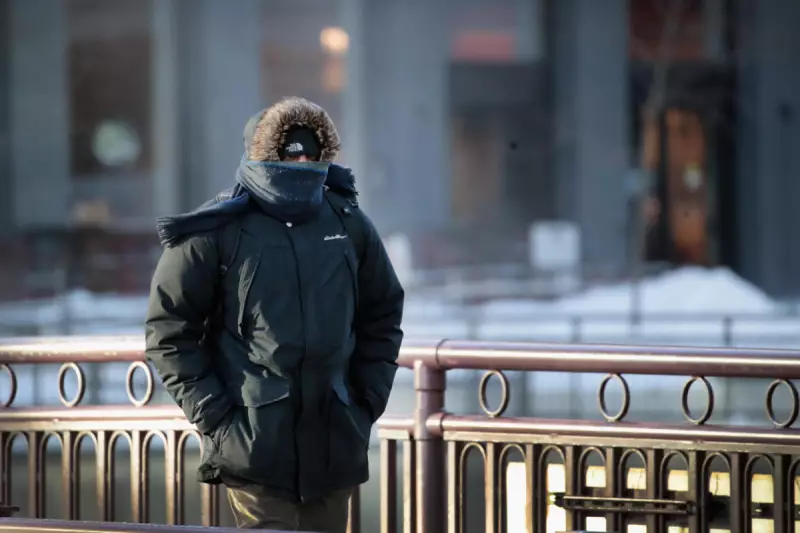
Electricity grid operators across the United States are on high alert, scrambling to secure fuel and prepare for a surge in demand as a severe Arctic freeze bears down on the Northeast and Midwest this holiday weekend.
Grid Operators Issue Urgent Alerts
The two major grid managers, PJM Interconnection LLC and the Midcontinent Independent System Operator (MISO), issued formal alerts on Friday. They urged power companies and generation owners to prepare their systems ahead of Martin Luther King Jr. Day on Monday, when the cold is predicted to intensify significantly.
PJM oversees the nation's largest electricity grid, serving 13 states and Washington, D.C. MISO covers a vast region stretching from Louisiana up to Manitoba in Canada. Together, these networks supply power to approximately one-third of the U.S. population.

Forecast for Bitter Cold and Snow
Meteorologists state that a powerful high-pressure ridge is channelling winds directly from the Arctic Circle southwards, driving the intense cold outbreak. Cody Snell of the U.S. Weather Prediction Centre confirmed that these pulses of Arctic air will continue in waves over the coming weeks, with only brief milder intervals.
The Northeast is forecast to endure some of the most severe conditions early next week. Temperatures are expected to plummet to near single digits Fahrenheit in the Boston area and the mid-teens in New York City. Strong wind chills will make it feel even colder.
As the cold front advances, snow is likely in many regions. The Great Lakes area could see several inches of accumulation, while light snowfall may even reach parts of the Southeast, including Alabama and Georgia.
Nationwide Contrast and Associated Risks
While the central and eastern U.S. shivers, other parts of the country are experiencing unseasonably warm and dry weather. This unusual pattern is straining ski resorts and elevating the risk of wildfires.
Parts of Texas, Oklahoma, and Colorado are currently under red-flag fire warnings. In Colorado, some utilities have announced planned power cuts to mitigate the danger of wildfires amid high winds and low humidity.
This frigid outbreak, the first of several anticipated through early February, is predicted to bring temperatures a staggering 15 to 30 degrees Fahrenheit below normal. Repeated waves of Arctic air are expected to push deep into the central and eastern United States in the coming days.