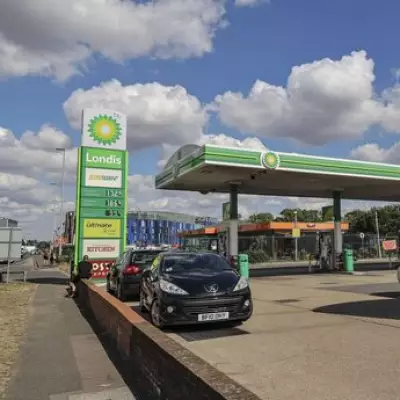
The dramatic arrest of Venezuelan President Nicolás Maduro and the subsequent US plan to temporarily manage the country's energy sector could have a significant ripple effect, potentially leading to cheaper fuel for British motorists and lower household costs, according to industry analysts.
The Prize: Venezuela's Immense Oil Reserves
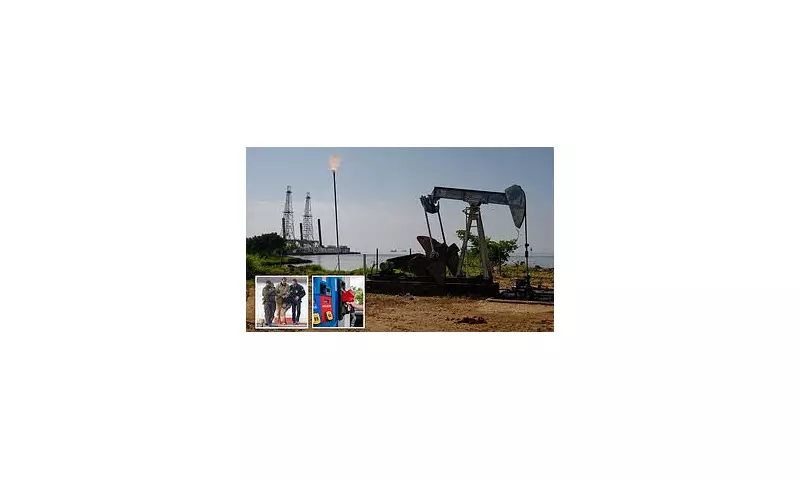
At the heart of the strategy lies Venezuela's colossal proven oil reserves, estimated at 303 billion barrels – nearly one-fifth of the global total. The majority of this resource is heavy, sour crude located in the Orinoco Belt. However, decades of economic mismanagement, corruption, and stringent US sanctions have crippled production, causing output to plummet from a peak of 3.5 million barrels per day to just 1.1 million barrels per day today.
The Trump administration has explicitly placed oil at the centre of its Venezuela policy. US officials have stated they will temporarily 'run' the nation's energy sector, pledging billions in investment to repair crumbling infrastructure and restore production. American oil giants Chevron, ExxonMobil, and ConocoPhillips are poised to gain control, with Chevron expected to secure first access due to its maintained presence in the country.

Potential Impact on Global Prices and UK Consumers
Tony Franjie, a veteran energy analyst with 26 years of experience at Texas-based SynMax Intelligence, forecasts a substantial impact on global oil markets if production ramps up steadily. He suggests crude prices could fall below $40 a barrel, with a direct knock-on effect on petrol prices.
'Lower gasoline prices, lower airfare – this is going to be great for the US consumer,' Franjie stated, noting that the benefits would extend globally through reduced transportation costs. Cheaper crude lowers expenses for shipping, trucking, and aviation, which could eventually ease prices on a range of goods, including groceries, for UK households.
Franjie highlights a specific American advantage: the refineries on the US Gulf Coast. 'They were built around Venezuelan crude,' he explained. 'They're better than any other refineries in the world at handling that heavy Venezuelan crude.' This existing infrastructure could swiftly pivot back to processing Venezuelan oil if it becomes economically favourable.
Significant Hurdles and Geopolitical Risks
Despite the optimistic projections, experts warn that the path to reviving Venezuela's oil industry is fraught with immense challenges. Francisco Monaldi of Rice University’s Baker Institute estimates that $100 billion of investment and over a decade would be required to restore output meaningfully.
Jorge León from Rystad Energy pointed to the US experience in Iraq, cautioning that 'forced regime change rarely stabilizes oil supply quickly.' The country's infrastructure is severely degraded, with rusting pipelines and a brain drain of skilled workers. Political risks also loom large, with Maduro loyalists contesting US authority and international lawyers questioning the legality of Washington's intervention.
Furthermore, the move is being closely watched by global powers. Both China and Russia have deep strategic interests in Venezuelan oil, and any redirection of exports towards the US could significantly reshape global energy flows and diplomatic relations.
Tony Franjie acknowledges these obstacles but believes modern technology and American operational efficiency can accelerate recovery. 'Chevron has the technology and know-how to get it done faster than anyone thinks,' he argued, predicting small production increases could begin within a year.
He is, however, blunt about the long-term outlook for foreign involvement: 'Venezuela will re-nationalize again at some point. All governments do. But that could be 10 or 15 years from now – and that's plenty of time.' For oil companies and consumers alike, that window may be the key to unlocking cheaper energy and reshaping markets.