

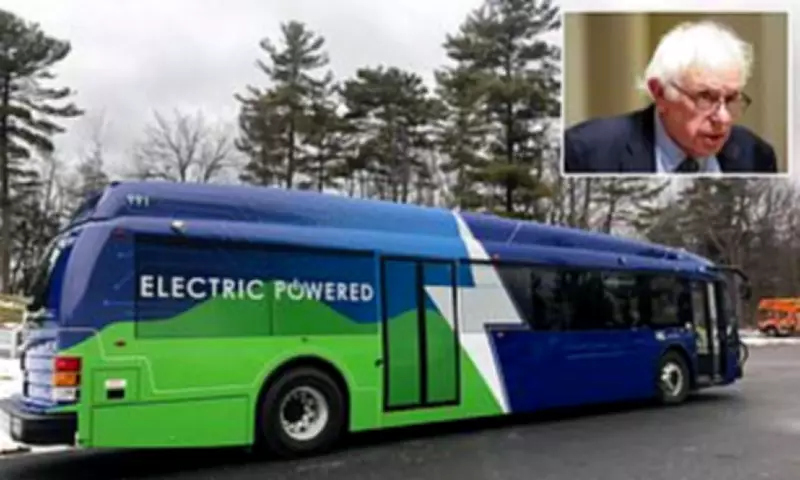
Vermont's Electric Bus Fleet Grounded by Cold Weather Woes
A bold initiative to make Vermont's cities more eco-friendly has encountered a significant setback, with officials revealing that a new fleet of electric buses cannot operate in cold conditions. The $8.1 million project by Green Mountain Transit (GMT), which serves Burlington and surrounding areas, has effectively gone bust, leaving all five electric vehicles parked outdoors, out of service, and covered in snow.
Safety Concerns and Operational Failures
The buses have been deemed a fire hazard due to issues with welding in the battery components, which could lead to overheating and potential explosions. Moreover, they are unable to hold a charge during Vermont's harsh winters. The manufacturer, New Flyer, has stated that defective batteries will need replacement, but a fix for the Vermont fleet could take up to two years to complete.
As of 2024, GMT was providing 2.7 million rides annually in Chittenden County, including major cities like Burlington and Colchester, with residents relying on the service for roughly 7,300 rides each day. The failure of this project has forced GMT to revert to diesel buses, undermining the state's green initiatives aimed at phasing out fossil fuels.

Political Backlash and Public Criticism
Vermont, a Democratic stronghold for decades, has seen fierce backlash from critics who argue that green policies have overshadowed practical engineering considerations. US Senator Bernie Sanders, a major advocate for radical energy changes, has supported funding for such projects, but local residents have expressed frustration online, with one calling the governance "the stupidest in the nation."
Larry Behrens, spokesman for the energy workers advocacy group Power the Future, highlighted the irony, noting, "Taxpayers were sold an $8 million 'solution' that can’t operate in cold weather when the home for these buses is in New England."
Technical Challenges and Environmental Impact
New Flyer issued a software update limiting charging to 75 percent capacity and only when temperatures exceed 41 degrees Fahrenheit. However, Burlington has had only eight days above that threshold since December 1, 2025, according to AccuWeather, making the buses largely unusable.
Scientific studies support these challenges, with a 2025 report in Energy Conversion and Management revealing that electric vehicles age up to three percent faster annually in cold weather and use significantly more energy per trip, increasing their carbon footprint. The battery defects stem from poorly welded busbars, which can cause thermal runaway, leading to fires or explosions.
Broader Implications for Green Initiatives
Vermont began phasing out diesel-powered public transportation in 2019, with Sanders announcing a $3 million grant to kickstart the switch. Governor Phil Scott emphasized the importance of reducing emissions from the transportation sector. Yet, the bus failures have drawn mockery and criticism, with opponents arguing that climate advocacy has outpaced common sense in a state known for its snowy winters.
GMT General Manager Clayton Clark expressed concerns about service continuity, stating, "It’s been literally down to our last bus... we would have to start canceling service." Additionally, safety risks prevent storing the buses in garages due to inadequate fire equipment.
This debacle highlights the complexities of implementing green technologies in challenging climates, raising questions about the feasibility and timing of such transitions in regions prone to extreme weather.






