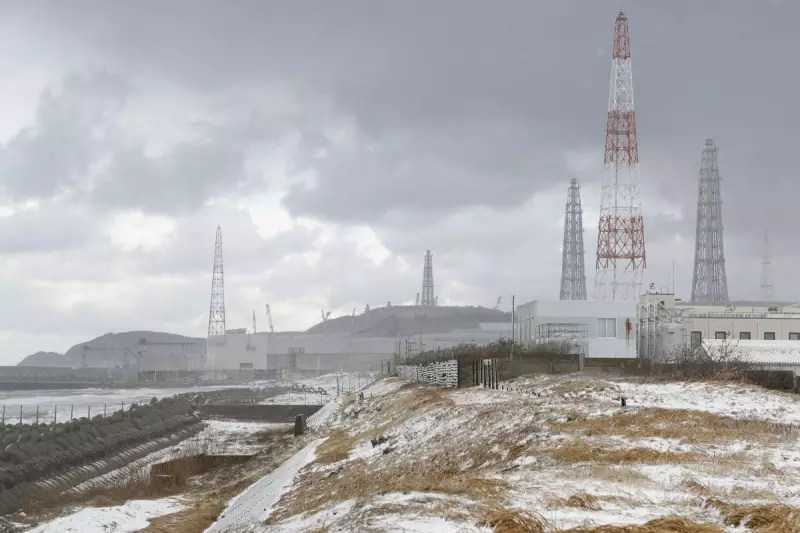
The world's largest nuclear power facility, the Kashiwazaki-Kariwa plant in Japan, has experienced a significant setback as its restart was suspended mere hours after operations resumed for the first time since the 2011 Fukushima disaster.
Technical Glitch Halts Critical Reactor
According to operator Tokyo Electric Power Company Holdings (TEPCO), the No. 6 reactor at the north-central Japan plant was halted due to a malfunction involving control rods. These components are absolutely crucial for the safe operation of nuclear reactors, regulating the nuclear fission process and preventing potential overheating.
TEPCO has emphasised that there was no immediate safety concern arising from the technical issue and confirmed that a thorough investigation is underway. However, the timeline for resuming the restart process remains entirely unclear, creating uncertainty about Japan's nuclear energy strategy.

Intense Scrutiny on TEPCO's Nuclear Revival
The restart at Kashiwazaki-Kariwa has been under particularly intense scrutiny given TEPCO's history. The company also manages the Fukushima Daiichi plant, which was devastated by the catastrophic 2011 earthquake and tsunami that triggered meltdowns and widespread radioactive contamination.
All seven reactors at Kashiwazaki-Kariwa have been dormant since 2012, just one year after the Fukushima disaster rendered some surrounding areas uninhabitable due to severe radioactive fallout. This restart attempt represents TEPCO's first effort to resume nuclear production at any of its facilities since that tragedy.
Japan's Growing Reliance on Nuclear Power
Resource-poor Japan is increasingly turning to atomic power to meet its escalating electricity demands, despite public concerns following the Fukushima catastrophe. Fourteen other nuclear reactors have successfully restarted across Japan since 2011, but the Kashiwazaki-Kariwa plant represents a particularly significant milestone as the first TEPCO-operated unit to attempt resumption.
The plant, located approximately 220 kilometers northwest of Tokyo in Niigata prefecture, holds substantial importance for Japan's energy security. A successful restart of the No. 6 reactor could generate an additional 1.35 million kilowatts of electricity, sufficient to power more than one million households in the capital region.
Massive Cleanup Costs and Reputation Recovery
TEPCO continues to work on the monumental cleanup at the Fukushima site, an operation estimated to cost approximately 22 trillion yen (equivalent to $139 billion). The company is simultaneously attempting to recover from severe damage to its reputation after multiple investigations blamed the Fukushima disaster on what was described as TEPCO's inadequate safety culture.
Both government and independent investigations have criticised the company for what they identified as collusion with safety authorities prior to the 2011 disaster. This history makes the successful operation of Kashiwazaki-Kariwa particularly important for restoring public and regulatory confidence in TEPCO's management capabilities.
Future Plans for World's Largest Nuclear Facility
With a combined output capacity of 8 million kilowatts, Kashiwazaki-Kariwa remains the world's largest nuclear power plant despite its prolonged inactivity. TEPCO has indicated plans to resume operations at only two of the seven reactors in the coming years, suggesting a cautious approach to nuclear revival.
The current suspension highlights the technical and operational challenges facing Japan's nuclear sector as it seeks to balance energy needs with safety concerns in a post-Fukushima landscape where public trust remains fragile and regulatory oversight has intensified significantly.