Martin Lewis Issues Crucial Tax Warning for Savers
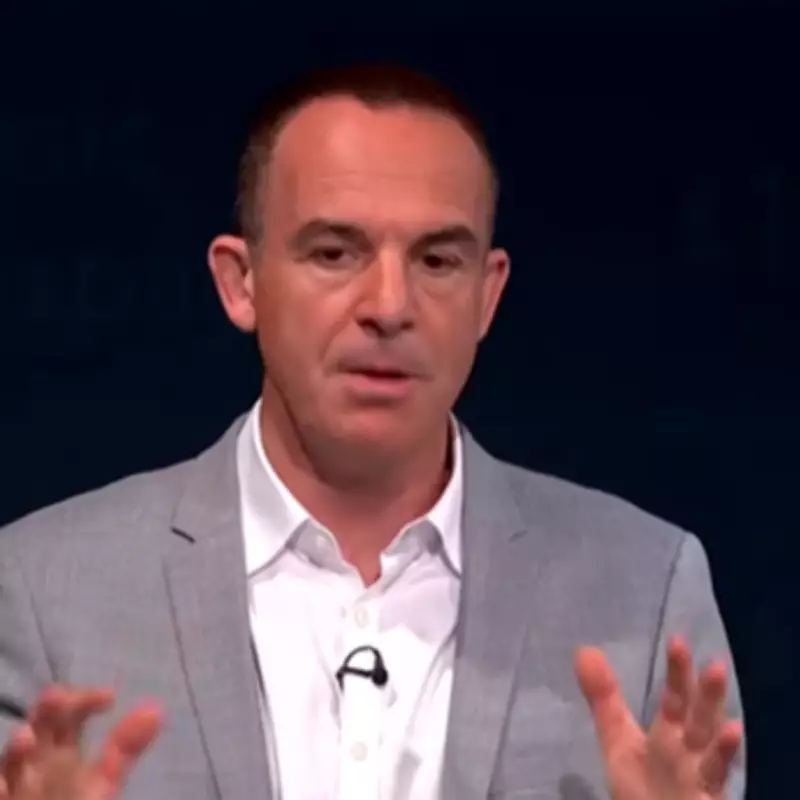
Money saving expert Martin Lewis has issued an urgent tax alert for savers across the UK, with specific warnings for those holding more than £11,000 or £22,000 in savings accounts depending on their tax bracket. During his recent ITV programme, Lewis provided detailed guidance on how savers can structure their finances to avoid unnecessary tax charges on interest earned.
Understanding the Personal Allowance Freeze
Lewis began by explaining the personal allowance, which allows individuals to earn £12,570 annually before any tax is levied. This threshold has remained frozen since 2021, and Chancellor Rachel Reeves controversially extended this freeze until 2031 last November. The freeze has faced significant criticism for creating 'fiscal drag', meaning more low earners now pay tax as inflation and wage increases leave them with less disposable income while facing higher taxation.
"The first one, the personal allowance, £12,570 a year that you can earn from any source - earnings, rent, savings, interest - without paying tax on," Lewis explained. "Most people get that unless you start earning over £100,000 when it's taken away."

The Starting Rate for Savings Tax
Lewis highlighted the lesser-known starting rate for savings, which provides another £5,000 of tax-free savings interest annually on top of the personal allowance. "This is designed for people who have low work earnings but high interest on savings," Lewis noted. "Often people who are retired. And here's how it works."
He explained that for every pound earned above the personal allowance, individuals lose a pound from their starting savings rate. "So imagine you earn £13,570. You're £1,000 above that. You can now only have £4,000 of tax-free interest in your savings due to the starting savings rate," Lewis detailed. "And by the time you earn from work £17,570, this is gone. So it's only for people on low work earnings and high interest on savings."
Lewis previously outlined that those in the 'perfect circumstance' would receive £12,570 from earned income, plus £5,000 through the starting savings allowance, plus £1,000 from the personal savings allowance on top. "You could earn £18,570 a year tax-free with £12,570 of it coming from work or other sources, and another £6,000 of it coming from savings," he clarified.
The Personal Savings Allowance Explained
Lewis described the personal savings allowance as the 'big one' that most people will know about. "This is on top of those two. This is the fact that a basic rate taxpayer, 20% taxpayer, can earn £1,000 a year of interest in any form of savings at all without paying tax on it," he stated.
"Now, the top savings accounts at the moment pay about 4.5 per cent. So, you need about £22,000, just a little over £22,000 in the top savings account before you earned £1,000 interest," Lewis calculated. "So, if you got less than that, you're not going to be paying tax on your savings interest because it's tax free."
For higher rate taxpayers, the allowance reduces to £500 annually of tax-free interest, equivalent to approximately £11,000 saved at top rates. Additional rate taxpayers earning over £125,000 receive no personal savings allowance at all.
Current Tax Year Structure
For the 2025/26 tax year, the UK Personal Allowance remains at £12,570, with a 20% basic rate applying to income up to £50,270, 40% higher rate for income between £50,271 and £125,140, and 45% additional rate for income over £125,140 in England, Wales, and Northern Ireland.
Tax-Free Savings Options
Lewis dedicated part of his programme to Individual Savings Accounts (ISAs), explaining: "You can put up to £20,000 a tax year in, as you know. And crucially, the interest earned in a cash ISA does not count towards the personal allowance, does not count towards the starting rate of savings, does not count towards the personal savings allowance."

"It is totally separate from that. So, anything you earn in there is not taxable," he emphasized. "I should note premium bonds work roughly the same way, but it's not an annual allowance. It's a maximum £50,000 you can put in in total. Those are the main ways that you can save without paying tax on them."
Lewis concluded by urging savers to understand these thresholds and allowances to maximize their tax-free savings potential and avoid unexpected tax bills on their hard-earned interest.