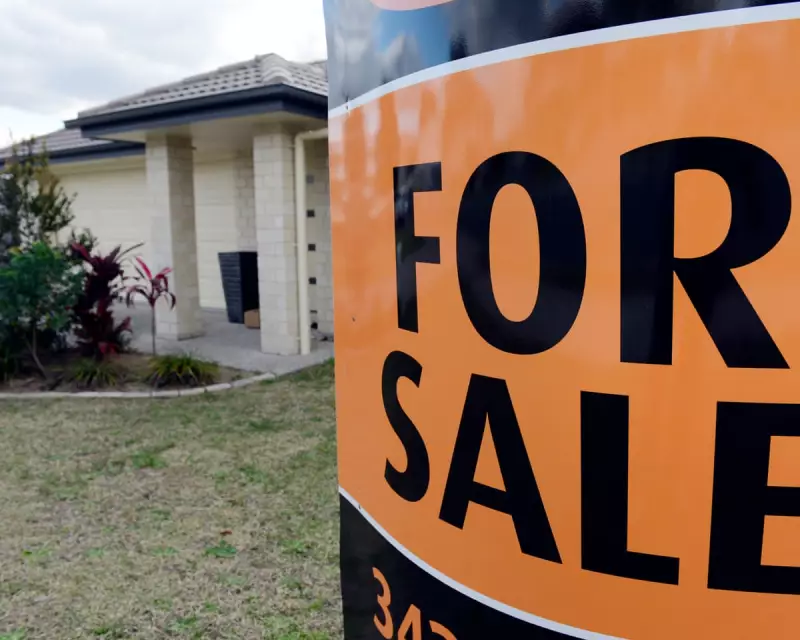
The latest economic data from the Australian Bureau of Statistics has revealed a significant uptick in inflationary pressures, with the annual rate climbing to 3.8% in the year to December. This marks a notable increase from the 3.4% recorded in November, intensifying concerns over the cost of living and setting the stage for potential monetary policy tightening.
Unexpected Inflation Jump Sparks Rate Hike Speculation
This unexpected surge in consumer prices has dramatically heightened expectations that the Reserve Bank of Australia will implement an interest rate hike at its upcoming monetary policy board meeting. If enacted, this would represent the first increase since November 2023, signalling a renewed effort to curb persistent inflation that remains stubbornly above the RBA's target band of 2-3%.
Key Drivers Behind the Price Rise
A closer examination of the data highlights several critical factors propelling the inflation figure higher. The housing sector proved a major contributor, with rents escalating by 3.9% annually. More strikingly, electricity prices skyrocketed by 21.5% as government bill subsidies began to expire, placing additional strain on household budgets.

Beyond essential costs, discretionary spending also played a role. Holiday and accommodation prices leapt by nearly 10% over the year, reflecting robust domestic travel demand as Australians resumed post-pandemic leisure activities.
Underlying Measures and Market Reactions
While the headline inflation rate captures immediate attention, the central bank's preferred gauge—the quarterly trimmed mean—also showed concerning momentum. This measure, which excludes extreme price movements, rose to 3.4% through the year, up from 3% in the September quarter, indicating broader inflationary trends beyond temporary factors like subsidy roll-offs.
The financial markets reacted swiftly to the data release. Prior to the announcement, traders had priced in approximately a 60% probability of a rate hike next week. Following the stronger-than-expected figures, the Australian dollar strengthened, breaching the US70 cents threshold, as investors adjusted their expectations for more assertive monetary intervention.
Implications for Households and the Economic Outlook
For Australian families, this data underscores an ongoing battle against rapidly rising living costs. The combination of higher housing expenses and increased prices for services like holidays compounds budgetary pressures, potentially dampening consumer confidence and spending power.
The Reserve Bank now faces a delicate balancing act. With inflation persisting above target, the case for pre-emptive action to prevent entrenched price expectations grows stronger. However, policymakers must also weigh the impact of higher borrowing costs on mortgage holders and the broader economy.
As the nation awaits the RBA's decision, these figures serve as a stark reminder of the challenges in stabilising the economy post-pandemic. The path ahead requires careful navigation to restore price stability without derailing economic growth.