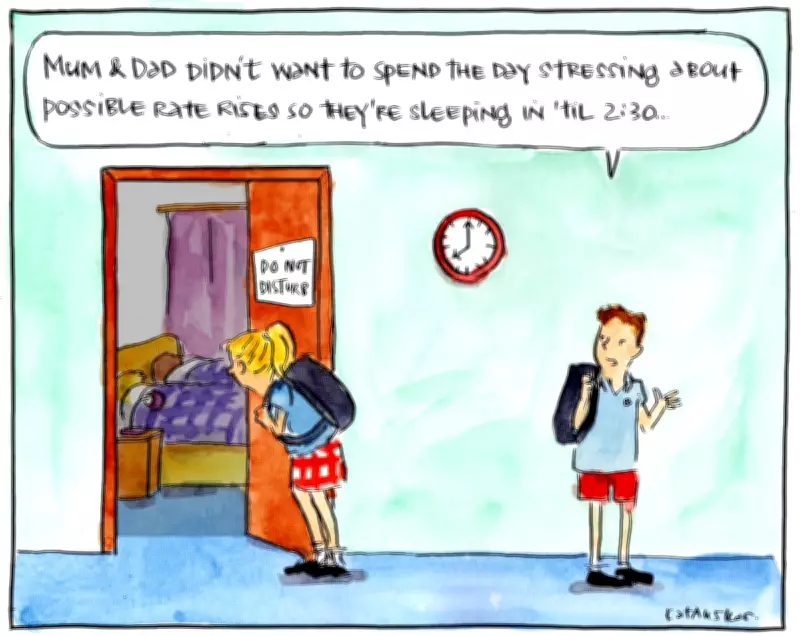
As speculation mounts over a potential interest rate rise by the Bank of England, households and businesses across the UK are bracing for the financial implications. With inflation concerns and economic uncertainty lingering, understanding the best ways to deal with such a move is crucial for financial stability.
Understanding the Context of a Rate Rise
A potential interest rate rise typically occurs when the Bank of England aims to curb inflation by making borrowing more expensive, thereby slowing down spending. This can have widespread effects on mortgages, loans, and savings rates, impacting everything from monthly budgets to business investments.
Key Strategies for Individuals
For individuals, preparing for a rate rise involves several proactive steps. Firstly, reviewing mortgage agreements is essential; those on variable-rate mortgages may face higher monthly payments, so considering fixed-rate options could provide security. Additionally, building an emergency savings fund can offer a buffer against increased costs.

It's also wise to assess debt levels, as higher interest rates can make existing loans more expensive. Paying down high-interest debt, such as credit cards, can reduce financial strain. On the savings front, a rate rise might lead to better returns on savings accounts, so shopping around for competitive rates is advisable.
Implications for Businesses and the Economy
Businesses, particularly small and medium-sized enterprises (SMEs), need to plan for potential borrowing cost increases. This might involve securing fixed-rate loans in advance or exploring alternative financing options. Companies should also review their cash flow projections to ensure they can handle higher interest expenses without compromising operations.
From a broader economic perspective, a rate rise could slow consumer spending, affecting sectors like retail and property. However, it might also help stabilise inflation in the long term, supporting sustainable growth. Policymakers and economists often debate the timing and magnitude of such moves to balance these competing factors.
Long-Term Planning and Advice
Financial advisors recommend staying informed about Bank of England announcements and economic indicators. Diversifying investments and maintaining a flexible budget can help navigate uncertainty. For those with significant assets, consulting a professional for personalised advice is often beneficial.
In summary, dealing with a potential interest rate rise requires a mix of preparation, vigilance, and adaptability. By taking early action and seeking expert guidance, individuals and businesses in the UK can better manage the challenges and opportunities that come with changing interest rates.