Shop prices in the United Kingdom have risen far more than anticipated in January, with experts warning that suggestions inflation has peaked are "not borne out" by the latest figures. The increase has been driven by a combination of factors, including the recent hike to National Insurance and persistently high business energy costs.
Significant Jump in Overall Shop Inflation
According to data released by the British Retail Consortium (BRC) and NIQ, shop inflation overall reached 1.5% higher than a year earlier. This represents a substantial increase from December's figure of 0.7% and is well above the three-month average of 0.9%. The acceleration indicates that inflationary pressures remain stubbornly present in the retail sector.
Food Prices Lead the Surge
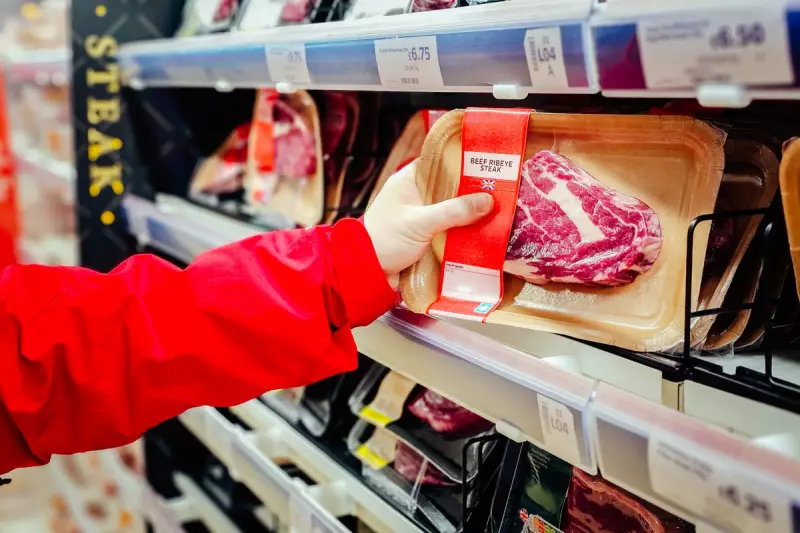
Food inflation climbed to 3.9% in January, up from December's growth of 3.3%. Within this category, fresh food prices saw an even steeper rise, increasing by 4.4% compared to a year ago. Specific items that experienced significant price hikes include beef, fish, and fruit. Industry analysts attribute these increases to a combination of weak supply and strong consumer demand, particularly for meat products.

Helen Dickinson, chief executive of the BRC, commented on the situation, stating: "Any suggestion that inflation has peaked is simply not borne out by these figures. Shop price inflation jumped this month due to high business energy costs and the hike to National Insurance continuing to feed through to prices."
Non-Food Items Also Affected
Inflation on non-food items reversed its previous trend, rising to 0.3% in January against a decline of 0.6% in December. Categories particularly impacted include furniture, flooring, and health and beauty products. This broad-based increase suggests that inflationary pressures are spreading beyond just the food sector.
Retailers Face Mounting Challenges
Dickinson highlighted the difficult environment facing both retailers and households: "It is a challenging time for households. Retailers do what they can to keep prices down in a competitive market, but thin margins and rising costs of Government policy make it harder."
She called for government action to address the underlying cost pressures: "Government must double down on costs in order to support households. A good place to look is the spiralling energy charges, especially non‑commodity levies, which are raising operating costs, squeezing margins and flowing through into retail prices."
Consumer Behavior and Promotional Activity
Mike Watkins, head of retailer and business insight at NIQ, noted that shoppers typically exercise caution with spending in January, and the continuation of inflation is unlikely to help this trend. However, he pointed out that opportunities for savings still exist: "There are still savings to be made at the checkout as some non-food retailers are still on promotion and many food retailers continue to reduce prices on everyday items as a way to drive footfall."
Broader Context and Recent Data
The most recent grocery inflation figures from Worldpanel, released earlier this month, showed a slight easing to 4.3%, down from November's 4.7%. However, this minor improvement appears to have been overshadowed by the broader shop price increases reported in January.
Following official ONS inflation data last week, Harvir Dhillon, economist at the British Retail Consortium, expressed concern about the persistence of high inflation: "Headline inflation has been slow to fall from its summer peak and remains higher than at the start of the year. Within retail, this reflects the high costs currently buffeting businesses, including NI, labour costs, and packaging taxes, all of which have pushed up costs."
Dhillon warned against complacency: "Government must not be complacent about inflation; if incoming regulations, such as the Employment Rights Act, increase costs further, this will be felt by consumers – not only in higher prices, but from the knock-on impact to jobs, which have already fallen significantly over the past year."

While some items such as yoghurt, jam, and honey saw price decreases according to last week's CPI data, these were exceptions in an overall trend of rising costs. The January figures demonstrate that inflationary pressures in the retail sector remain significant and are being driven by multiple factors including government policy changes, energy costs, and supply-demand imbalances in key food categories.