A comprehensive economic analysis has concluded that while inflation has cooled from previous highs, it would be significantly lower if not for President Donald Trump's sweeping tariff policies. The report indicates these import taxes have artificially maintained higher price levels for American consumers.
Emergency Powers and Economic Impact
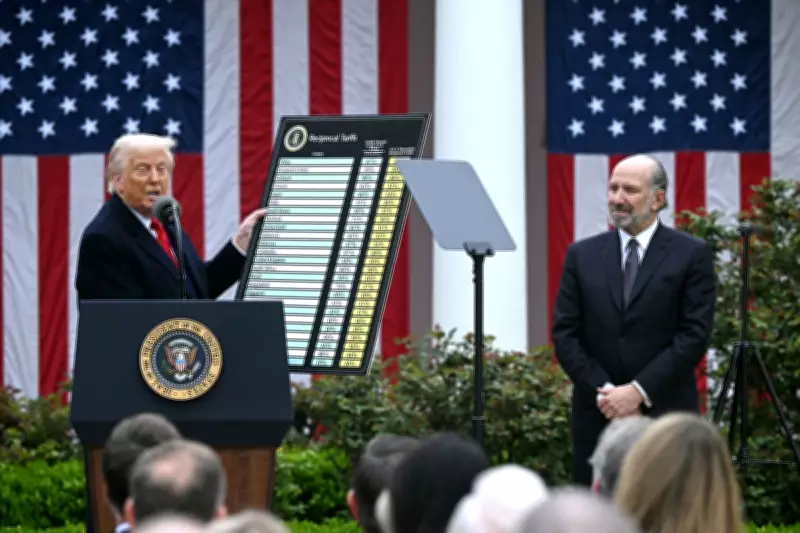
Since assuming office last year, President Trump has invoked rarely-used emergency powers to impose tariffs on goods imported from nearly every trading partner worldwide. This strategy forms part of his "reciprocal" trade agenda, aimed at encouraging foreign companies to establish production facilities within the United States and revitalise domestic manufacturing after years of industrial decline.
The consequence has been a dramatic increase in average tariff rates to approximately 17 percent, representing the highest level since the notorious Smoot-Hawley tariffs during the Great Depression. Economists widely agree that tariffs function as taxes paid initially by American importers, which are then passed directly to consumers through elevated retail prices, creating inherently inflationary pressure.

Quantifying the Tariff Effect
The nonpartisan economics platform EconoFact conducted detailed analysis of price level data, directly challenging presidential claims about tariff benefits. Their research estimated that the August 2024 Consumer Price Index inflation rate of 2.9 percent would have been substantially lower at around 2.2 percent had Trump refrained from imposing such extensive import taxes.
This half-percentage point difference represents a significant economic burden on households, particularly affecting essential goods including food and clothing. The inflationary impact became especially pronounced following April's "liberation day" announcement, when Trump expanded tariffs to cover imports from virtually every nation.
Historical Context and Current Trends
Retail prices had been steadily declining from peaks reached during the Biden administration, which had grappled with post-pandemic inflation driven by supply chain disruptions and stimulus legislation effects. The cooling trend actually began during the final months of Biden's presidency and continued as Trump returned to the White House in January.
However, the tariff implementation has substantially blunted this deflationary momentum by compelling importers to increase prices across a broad spectrum of consumer products. This intervention has effectively prevented American shoppers from experiencing the full benefits of naturally declining inflation rates.
Legal Challenges and Public Opinion
The Supreme Court is currently deliberating the constitutionality of Trump's use of emergency powers to levy these import taxes by executive fiat. Following November arguments, the high court could issue a ruling at any moment, potentially determining the future of presidential trade authority.
Public sentiment appears to be turning against the tariff policies, with a recent New York Times and Siena University poll revealing that 54 percent of voters oppose Trump's approach to import taxation. This majority disapproval suggests growing consumer awareness of how tariffs directly affect household budgets through increased living costs.
The ongoing legal scrutiny and economic analysis highlight the complex interplay between trade policy, presidential powers, and everyday price levels for American families. As the Supreme Court considers the fundamental legality of these measures, economists continue to document their tangible inflationary consequences in the marketplace.