The UK's inflation rate experienced an unexpected uptick in December, breaking a six-month trend of static or falling prices as festive travel demand and tobacco duty increases pushed up living costs.
Official Figures Reveal December Inflation Increase
According to the latest data from the Office for National Statistics (ONS), the Consumer Prices Index (CPI) inflation rate rose to 3.4% in December, up from 3.2% in November. This marks the first increase in the headline rate since June 2025, ending a period of gradual decline that had seen inflation fall sharply in November following easing food price pressures.
Interestingly, the December figure came in slightly below the 3.5% that economists had been forecasting for the month, suggesting the increase could have been even more pronounced.

Key Drivers Behind the Inflation Uptick
The ONS identified several significant factors contributing to December's inflation rise:
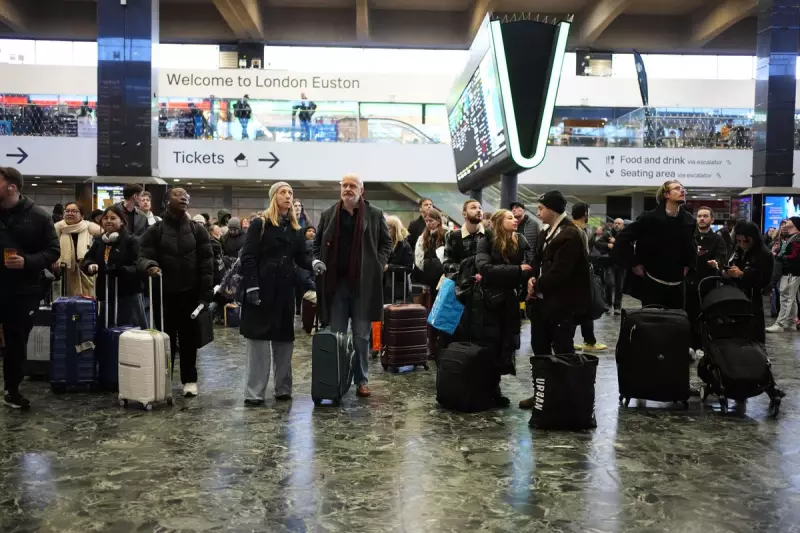
- Transport Costs: Transport prices increased by 1.3% month-on-month, with air fares experiencing a dramatic 28.6% surge in December. This substantial jump was attributed to heightened demand for travel during the festive period and school holidays.
- Alcohol and Tobacco: Prices in this category rose by 1% between November and December, following tobacco duty hikes announced in the autumn budget.
- Food and Non-Alcoholic Drinks: These prices increased by 0.8% month-on-month, with items like bread, cereals, and vegetables (including potatoes) contributing to the overall rise. The annual inflation rate for this division increased to 4.5% from 4.2% the previous month.
Official Commentary on the Figures
ONS chief economist Grant Fitzner provided analysis of the December inflation data: "Inflation ticked up a little in December, driven partly by higher tobacco prices, following recently introduced excise duty increases. Air fares also contributed to the increase with prices rising more than a year ago, likely because of the timing of return flights over the Christmas and new year period. Rising food costs, particularly for bread and cereals, were also an upward driver."
Fitzner noted that these increases were "partially offset by a fall in rents inflation and lower prices for a range of recreational and cultural purchases."
Government Response to Inflation Data
Following the release of the inflation figures, Chancellor Rachel Reeves responded with a statement about the government's approach to the cost of living: "My number one focus is to cut the cost of living. At the budget I announced £150 off energy bills, a freeze to rail fares for the first time in 30 years, a freeze to prescription charges for the second year running, and an increase to the national minimum and living wage."
The Chancellor pledged that "2026 would be the year that Britain turns a corner" and emphasized that "money off bills and into the pockets of working people is my choice. There's more to do, but this is the year that Britain turns a corner."
Context and Broader Economic Picture
The December inflation increase represents a notable shift in the UK's economic trajectory after months of declining or stable price pressures. The return of inflation growth, albeit modest, suggests that seasonal factors and specific policy decisions (like tobacco duty increases) can still significantly impact the overall cost of living despite broader economic trends.
The data highlights how specific sectors - particularly travel during peak holiday periods and regulated products like tobacco - can disproportionately influence national inflation figures, even when other areas of the economy show price stability or deflationary pressures.