In a welcome surprise for British households, the rate of inflation fell sharply last month, dropping more than economists had predicted on the back of easing food prices.
Unexpected Drop in Consumer Prices
Official figures released on Wednesday 17 December 2025 showed the Consumer Prices Index (CPI) measure of inflation fell to 3.2% in the year to November. This was down from 3.6% in October and marked the lowest rate since March. The decline was notably steeper than the 3.5% forecast by most analysts.
The Office for National Statistics (ONS) confirmed the data, highlighting that while prices are still rising, the pace of increase has slowed considerably. The most immediate impact of this sharper-than-expected fall is increased pressure on the Bank of England to cut interest rates when its Monetary Policy Committee meets on Thursday.

Food and Black Friday Discounts Drive the Fall
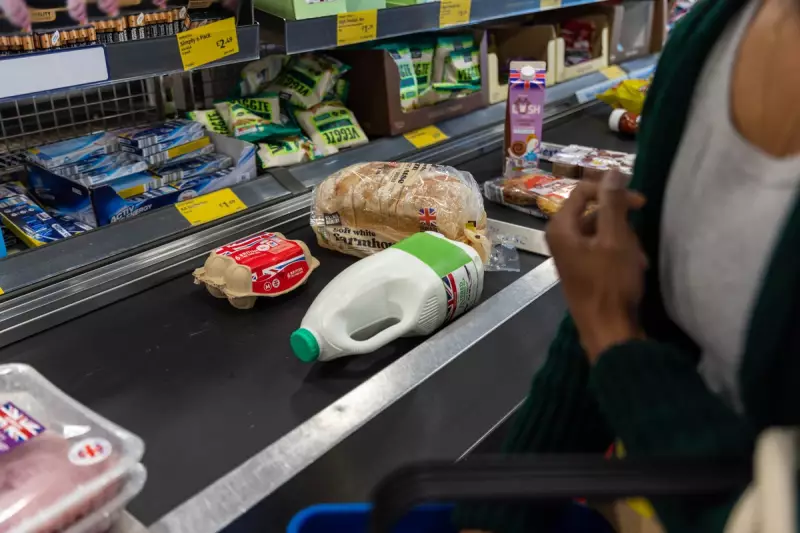
The primary driver behind November's inflation drop was a decrease in the cost of food and non-alcoholic drinks. On a monthly basis, prices in this category fell by 0.2%. Significant reductions were seen in:
- Bread and cereals
- Dairy products
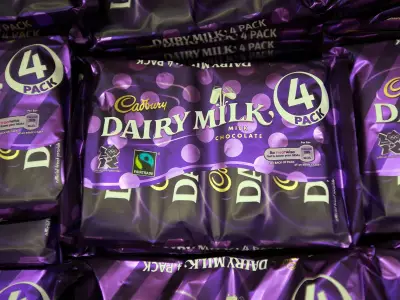
- Sugar, jam, and chocolate
The annual inflation rate for food and non-alcoholic drinks slowed to 4.2% in November from 4.9% the previous month.
Alcohol and tobacco prices also contributed significantly, with their annual inflation rate plunging to 4.0% from 5.9% in October – the lowest reading in nearly three years.
Furthermore, more extensive Black Friday discounting in 2025 compared to previous years helped pull down prices for clothing and footwear by 0.3% between October and November, with notable reductions in women's trousers and skirts.
Economic Context and Political Response
The inflation data arrives alongside other economic signals, including a slight 0.1% contraction in the economy and rising unemployment. This combination makes an interest rate cut from the current level almost certain, which would be the fourth reduction of the year ahead of Christmas.
Chancellor Rachel Reeves welcomed the news, stating that lowering household bills remained her "top priority." She referenced her Budget measures, including frozen rail fares and prescription fees, and a £150 cut to average energy bills expected from April.
ONS chief economist Grant Fitzner explained: "Inflation fell notably in November to its lowest annual rate since March. Lower food prices, which traditionally rise at this time of the year, were the main driver of the fall."
Industry experts echoed this analysis. Kris Hamer, Director of Insight at the British Retail Consortium, pointed to "extensive discounting by retailers across Black Friday month" as a key factor. He noted that bigger promotions on items like pork, lamb, and chicken helped bring food inflation down.
Meanwhile, Sarah Coles, head of personal finance at Hargreaves Lansdown, highlighted the role of energy, where a lower price cap rise in October meant electricity prices were up just 2.8% annually and gas 2.1%.
Despite the positive trend, caution remains. Karen Betts, CEO of The Food and Drink Federation, warned: "Food prices remain higher this Christmas than last and many consumers are having to make tough choices." She called for government action to reduce costs like energy across the supply chain to sustain the downward pressure on prices.
The ONS's broader CPIH measure, which includes owner-occupiers' housing costs, fell to 3.5% in November from 3.8%. The Retail Prices Index (RPI) slowed to 3.8% from 4.3%.