Hopes for a pre-Christmas interest rate cut have been ignited after official figures revealed a surprise drop in UK inflation during October.
The latest data from the Office for National Statistics (ONS) showed the Consumer Prices Index (CPI) fell to 3.6% in October, down from 3.8% in September. This marks the lowest level of inflation since June, although it remains slightly higher than the 3.5% forecast by many economists.
Energy and Food: A Tale of Two Trends
A significant slowdown in the rise of gas and electricity bills was the primary driver behind the falling inflation rate. Ofgem's energy price cap increased by just 2% in October, a stark contrast to the nearly 10% hike implemented a year earlier.

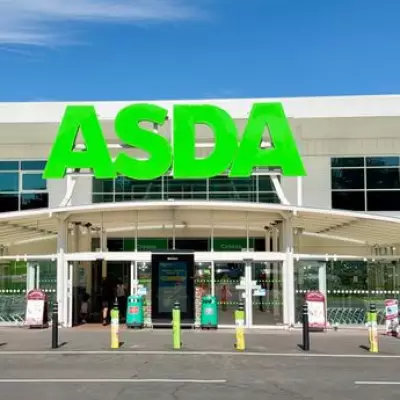
However, this positive news was tempered by a worrying rebound in food prices. The annual inflation rate for food and non-alcoholic drinks climbed to 4.9% in October, up from 4.5% the previous month. On a monthly basis, prices increased by 0.5%.
This surge was largely driven by increases in the cost of bread, cereals, meat, fish, and vegetables. A decline in fruit prices provided only a partial offset, leaving household budgets under continued strain.
Mixed Reactions from Economists and Industry
Financial analysts were quick to highlight the conflicting pressures within the data. Danni Hewson, head of financial analysis at AJ Bell, noted that the smaller energy cap increase would be "cold comfort for families... who will also be finding that food prices have been ticking back up."
She identified a "silver lining," however, stating that the overall inflation drop has raised expectations for a Bank of England interest rate cut in December.
Industry representatives pointed to rising costs for producers. Karen Betts, chief executive of the Food and Drink Federation, explained that manufacturers are paying nearly 40% more for ingredients and energy than in early 2020, alongside new regulatory costs like packaging taxes and higher national insurance, forcing price increases.
Conversely, James Smith, a developed markets economist at ING, suggested that evidence from the eurozone indicates "inflation at the supermarkets is probably more or less at its peak." He still expects a December rate cut, despite the October food price rebound likely keeping some Bank of England policymakers concerned.
Budgetary Pressures and the Chancellor's Response
The inflation announcement comes just a week before the Chancellor, Rachel Reeves, is set to deliver her autumn Budget. She has acknowledged that inflation remains a "big burden on families" and pledged to take "targeted action" in her Budget to tackle the cost of living, cut NHS waiting lists, and reduce government debt.
When questioned on whether increases to employer national insurance contributions have contributed to rising food prices, the Chancellor evaded a direct answer, focusing instead on her broader plans to address living costs.