The rate of inflation in the United Kingdom experienced an unexpected uptick in December, rising to 3.4% from 3.2% in November, as confirmed by the Office for National Statistics. This marks the first increase in the headline Consumer Prices Index (CPI) rate in five months, interrupting a period of static or falling inflation that had been observed since the previous summer.
Key Drivers Behind the Inflation Surge
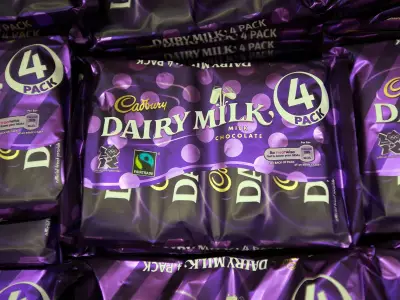
Official figures indicate that several factors contributed to this rise, with tobacco and alcohol prices climbing by 1% between November and December. This increase is largely attributed to duty hikes on tobacco that were announced in the autumn budget, directly impacting consumer costs.
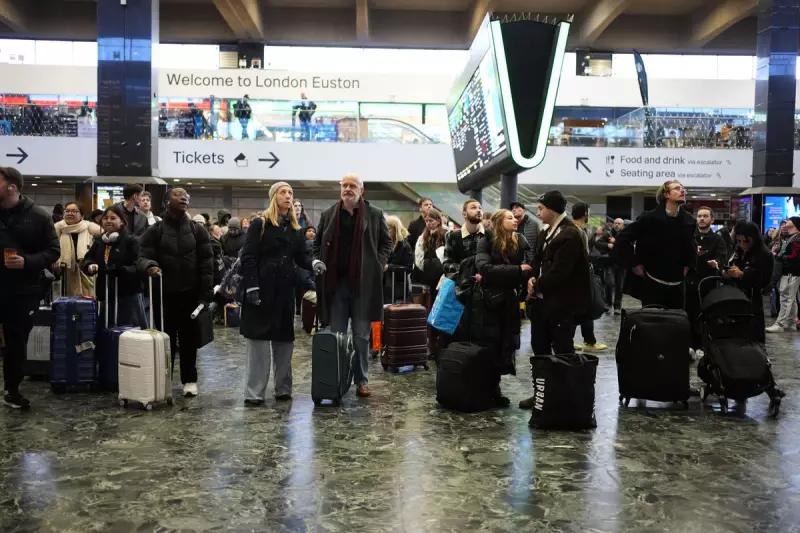
Transport costs emerged as another significant driver, with prices rising by 1.3% on a monthly basis. The most substantial push within this category came from air fares, which soared by an astonishing 28.6% in December. This surge was fuelled by heightened demand for travel during the festive period and school holidays, leading to notable price hikes for consumers.

Food and Beverage Contributions
Furthermore, food and non-alcoholic drink prices increased by 0.8% between November and December. Items such as bread, cereals, and vegetables, including potatoes, played a key role in driving up overall costs. The annual inflation rate for this division rose to 4.5% from 4.2% the previous month, indicating persistent pressure on household budgets.
Official Commentary and Economic Context
Grant Fitzner, chief economist at the ONS, provided insight into the figures, stating: "Inflation ticked up a little in December, driven partly by higher tobacco prices, following recently introduced excise duty increases. Air fares also contributed to the increase with prices rising more than a year ago, likely because of the timing of return flights over the Christmas and new year period. Rising food costs, particularly for bread and cereals, were also an upward driver."
He noted that these increases were partially offset by a fall in rents inflation and lower prices for a range of recreational and cultural purchases, providing some relief in other areas of consumer spending.
Political Reactions and Policy Implications
Chancellor Rachel Reeves responded to the data by pledging that 2026 would be the "year that Britain turns a corner." She emphasised: "My number one focus is to cut the cost of living. At the budget I announced £150 off energy bills, a freeze to rail fares for the first time in 30 years, a freeze to prescription charges for the second year running, and an increase to the national minimum and living wage. Money off bills and into the pockets of working people is my choice. There's more to do, but this is the year that Britain turns a corner."
In contrast, Shadow Chancellor Sir Mel Stride criticised the rise, attributing it to "Labour's economic mismanagement – pushing up the cost of living and punishing the most vulnerable." He argued: "A record-high tax burden and irresponsible borrowing are stifling growth and fuelling inflation – leaving working people worse off."
Expert Analysis and Future Projections
Economic experts have suggested that December's rise is likely to be a "temporary blip" following several months of easing inflation. Charlotte Kennedy, a chartered financial planner for Rathbones, described inflation as being on a "broadly downward but bumpy trajectory," adding: "The recent rise is likely to be a temporary blip following several months of easing inflation since September."
Thomas Pugh, chief economist at RSM UK, provided a forward-looking perspective, stating: "I am expecting inflation to take a step down to 3% in January, before dropping to around 2% in the second quarter of 2026 as measures announced in the last budget to lower energy prices take effect."
Bank of England and Interest Rate Expectations
Pugh also commented on monetary policy, noting that the Bank of England is likely to remain cautious regarding interest rate reductions. He suggested a potential cut in April but warned that "it may well be the last one this year." Most economists believe the latest inflation data has solidified expectations that the Bank will opt to keep interest rates unchanged in the upcoming month.

Additional Inflation Measures
Meanwhile, the ONS's preferred measure of inflation, the Consumer Prices Index including occupiers' housing (CPIH), rose to 3.6% in December from 3.5% in November. The Retail Prices Index (RPI) rate of inflation also increased, climbing to 4.2% from 3.8% in the previous month, reflecting broader price pressures across the economy.
It is worth noting that December's CPI rate of 3.4% came in slightly below the 3.5% that a consensus of economists had forecast for the month, indicating that while the rise was unexpected, it was not as severe as some predictions had anticipated. This data underscores the complex and multifaceted nature of inflationary trends in the UK economy.