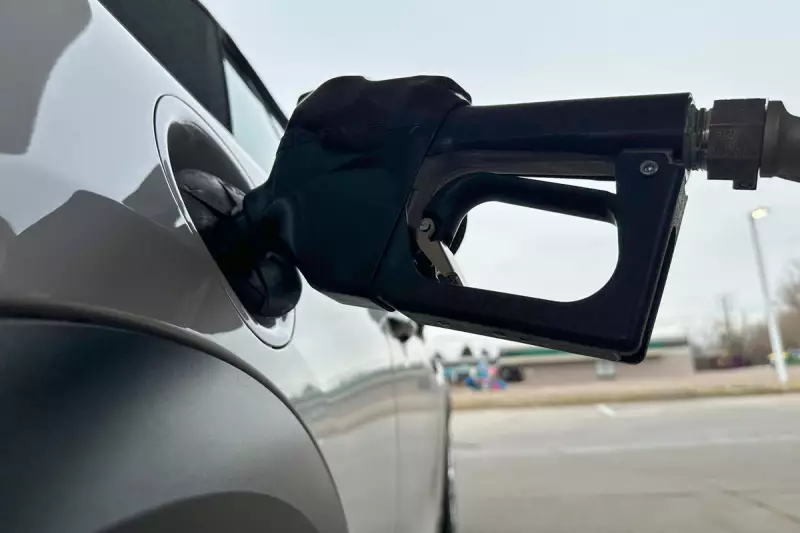
American drivers are receiving an unexpected seasonal gift this year, with petrol prices falling to their lowest December level in four years. Data reveals a significant drop at the pumps, offering welcome financial relief during the busy holiday travel period.
Nationwide Price Drop Offers Festive Relief
According to the latest figures from the motoring organisation AAA, the national average for unleaded petrol has remained under the $3 per gallon mark since 2 December. The cost hit a low of around $2.85 a gallon on Monday, 22 December, before a slight increase to approximately $2.86 by Tuesday. This represents a substantial decrease of more than 18 cents compared to last year and a 21-cent drop from just a month ago.
AAA confirms that this month's prices are the cheapest seen in December since 2020, a period when the COVID-19 pandemic caused major economic disruption. The organisation attributes the current trend to robust fuel supply and relatively mild crude oil costs. For most of December, the benchmark West Texas Intermediate crude has traded below $60 per barrel.

Regional Variations from Hawaii to Oklahoma
As is typically the case, the price consumers pay varies dramatically depending on their location. State averages on Tuesday, 23 December, showed a wide disparity driven by local taxes, refinery supply, and specific fuel requirements.
Hawaii recorded the highest average at about $4.44 per gallon, followed by California at $4.30 and Washington at $3.92. On the other end of the scale, drivers in Oklahoma enjoyed the lowest prices, with an average of just $2.30 per gallon. Arkansas and Iowa were close behind, both averaging nearly $2.42.
Economic Context and Consumer Sentiment
The relief at the pump comes at a critical time for US households, many of whom have been grappling with higher costs for groceries and holiday gifts. This persistent pressure occurs against a backdrop of ongoing inflation and tariffs on foreign imports implemented by President Donald Trump.
While recent government data indicated a cooling of consumer price rises in November to 2.7% year-on-year, inflation remains above the Federal Reserve's 2% target. Economists have cautioned that November's figures may be unreliable due to delays and potential distortions caused by a recent 43-day federal shutdown.
This financial strain is reflected in consumer confidence, which has taken a hit. On Tuesday, the Conference Board reported that its consumer confidence index fell in December to its lowest level since April, underscoring widespread public concern over the high cost of living and an uncertain job market.