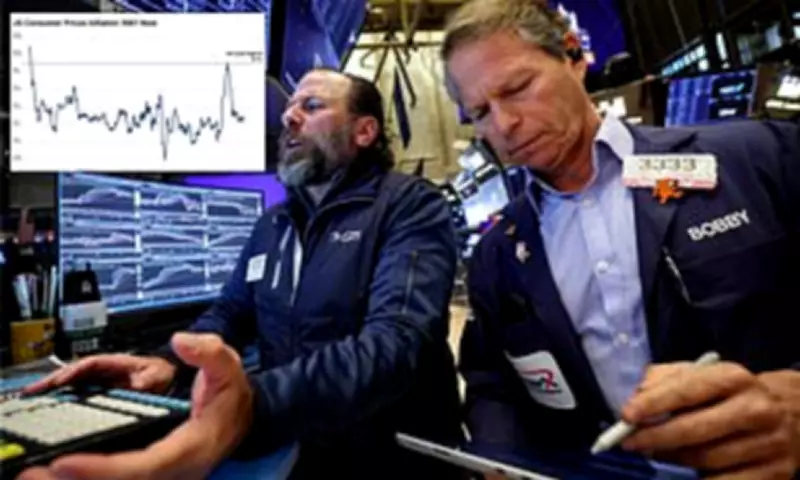
Inflation in the United States eased once more in January, delivering a rare glimmer of positive news for Americans after enduring years of punishing price hikes. The latest Consumer Price Index report from the government revealed that inflation slowed to an annual rate of 2.4 percent in January, down from 2.7 percent in December. This marks the lowest level observed in nine months, aligning precisely with the predictions made by economists.
Core Inflation Hits Near Five-Year Low
So-called 'core' inflation, which excludes volatile food and energy components due to their sharp fluctuations, edged down to 2.4 percent from 2.6 percent. According to data from FactSet, this would represent the lowest core reading in nearly five years, indicating a broader easing of underlying price pressures across the economy.
Monthly Price Increases Pose a Concern
However, there is a significant catch to this encouraging data. On a month-to-month basis, prices still rose by 0.2 percent in January. If this pace were to persist over several months, it could gradually push the annual inflation rate back upward, potentially undermining the recent progress.

Legacy of High Prices Continues to Burden Households
Despite the softer inflation reading, Americans continue to grapple with the enduring legacy of the most substantial surge in prices witnessed in decades. Overall consumer prices are now approximately 25 percent higher than they were five years ago, a stark reminder of the cumulative impact of inflationary pressures.
This persistent elevation in costs means that essential expenses such as groceries, gasoline, rent, insurance, and dining out remain far more expensive than before the pandemic. This reality has fueled widespread voter anger over 'affordability' issues and placed considerable strain on household budgets, with many families struggling to make ends meet amid elevated living costs.
Market Reaction to Inflation Data
Investors responded with enthusiasm to Thursday's inflation news, driving stock futures into positive territory. The optimistic market reaction reflects hopes that easing inflation could pave the way for more favorable economic conditions and potential policy adjustments in the near future.